Reading this on Krawl? Register for free.
Unlock listen-aloud, reading history and personalised feeds — at zero cost.
Free registration unlocks the full Finance Desk
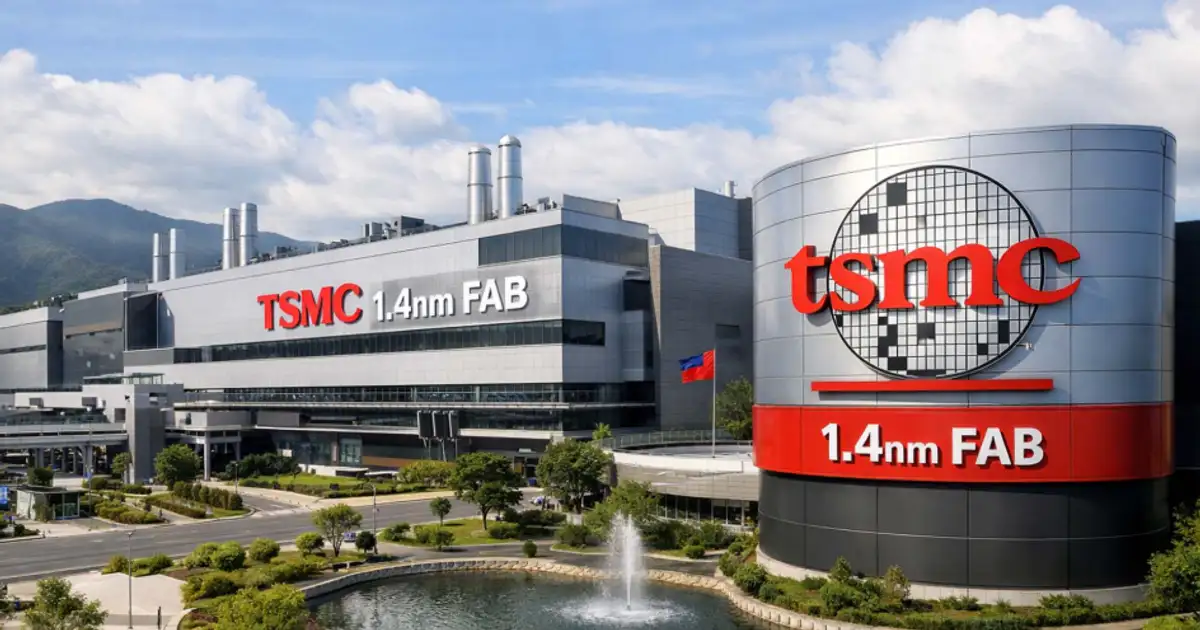
AI Chip Demand Rewrites Semiconductor Supply Chain Economics, Shifts Power
The surging demand for AI chips is fundamentally reshaping the semiconductor supply chain, moving away from traditional just-in-time models. This shift favors integrated device manufacturers (IDMs) and their vertical integration, enhancing their…
AI Chip Demand Transforms Supply Chain Structure
The semiconductor industry's supply chain is undergoing a significant transformation driven by the escalating demand for artificial intelligence (AI) chips. Historically, the sector leaned on a fabless-foundry model with just-in-time inventory practices. However, the complexities and scale of AI chip manufacturing are pushing a return to more vertically integrated structures, reminiscent of the integrated device manufacturer (IDM) model. This shift is evident in how leading AI chip developers are managing everything from design to packaging.
Unlike general-purpose CPUs, AI accelerators demand specialized manufacturing processes and advanced packaging technologies, making their production more intricate and capital-intensive. The tight integration required between chip design, fabrication, and assembly for optimal AI performance is leading companies to exert greater control over the entire production flow. This contrasts with the prior trend of outsourcing specialized steps to different vendors, indicating a strategic pivot toward securing and optimizing every stage of the AI chip lifecycle.
Vertical Integration and Capital Expenditure
Major players in the AI chip space are increasing their direct involvement across the supply chain. This vertical integration reduces reliance on external foundries and packaging houses, mitigating risks associated with capacity constraints and intellectual property. The strategy allows for closer collaboration between design and manufacturing teams, accelerating innovation cycles and improving yield rates for complex AI chip architectures.
The capital expenditure implications of this shift are substantial. Investing in advanced packaging facilities, for instance, represents a significant outlay. These facilities are crucial for integrating multiple chiplets and memory stacks into a single, high-performance AI processor. The increased capex is a barrier to entry for smaller firms but solidifies the competitive advantage of established players who can fund these massive investments, further consolidating power within the industry.
Shifting Power Dynamics and Future Outlook
The move towards vertical integration reconfigures the balance of power within the semiconductor ecosystem. Companies with robust internal manufacturing capabilities and deep pockets to invest in cutting-edge packaging technologies gain a strategic advantage. This trend may challenge the dominance of pure-play foundries in certain segments, particularly for the most advanced AI chips where custom processes and security are paramount.
Ultimately, the AI chip phenomenon is not merely an increase in demand for a new product; it is a catalyst for structural change across the semiconductor supply chain. The industry is moving toward a model where control, security, and optimized integration from design to final product are prioritized. This will likely lead to further consolidation and increased capital intensity as firms vie for leadership in the rapidly expanding AI hardware market.
Found this useful? Share it!
Interested in Finance Education?
Explore our CFA and investing courses — built for serious learners.