Reading this on Krawl? Register for free.
Unlock listen-aloud, reading history and personalised feeds — at zero cost.
Free registration unlocks the full Finance Desk
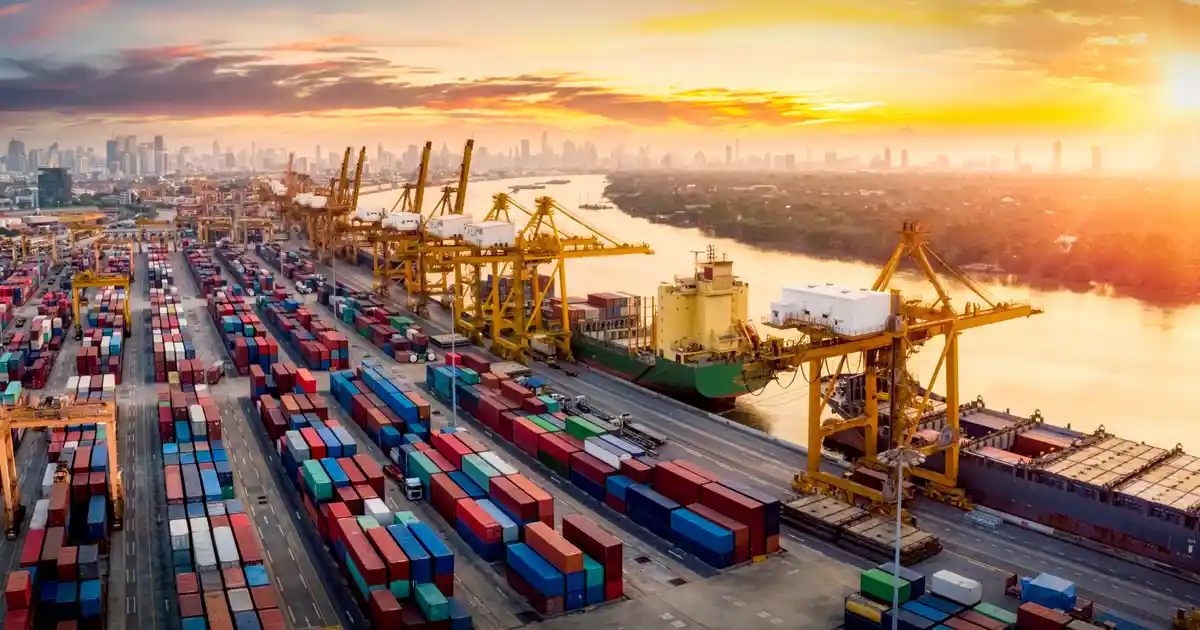
EU Trade Surplus Plummets to $10.72 Billion: Navigating a New Era of Global Tariffs and Geopolitical Volatility
The European Union's trade surplus dramatically narrowed to $10.72 billion in February, a significant contraction from the previous year's $26.98 billion, as the bloc navigates the lingering effects of pre-tariff export surges.
Introduction: Europe's Evolving Trade Landscape Amidst Geopolitical Shifts
The European Union's trade dynamics are undergoing a significant transformation, as evidenced by a substantial narrowing of its trade surplus. In February of the current year, the EU recorded a trade surplus of approximately $10.72 billion, a stark contrast to the $26.98 billion observed in February of the prior year, a period characterized by a strategic surge in exports ahead of anticipated US tariffs. This sharp contraction reflects a complex interplay of proactive trade maneuvering, evolving protectionist policies globally, and emerging geopolitical risks that demand keen analysis from finance professionals and strategic decision-makers.
This article delves into the critical factors contributing to this shift, examining the impact of past tariff announcements, the ongoing geopolitical landscape, and the EU's defensive trade measures against specific imports. Understanding these interwoven elements is crucial for anticipating market movements, managing investment portfolios, and advising on international trade strategies.
Analyzing the Data: A Significant Contraction in EU's Trade Position
The February 202X Snapshot: Decelerating Exports and Imports
According to Eurostat, the EU's international trade in goods surplus settled at $10.72 billion in February of the current year. This figure represents a considerable reduction from the previous year's €22.9 billion, which converts to approximately $26.98 billion. The context for this decline is critical: the prior year's elevated surplus was largely influenced by firms front-loading exports in anticipation of potential tariffs announced by former US President Donald Trump. This strategic maneuver pulled forward demand, creating an artificially high baseline for comparison.
Digging deeper into the components, overall exports from the EU saw a year-on-year decline of 9.3%, while imports also fell, though less steeply, by 3.5%. This asymmetrical decline indicates a cooling in both inbound and outbound trade activities, suggesting broader economic softening or a rebalancing of global supply chains. For finance professionals, these figures signal potential headwinds for European export-oriented businesses and a recalibration of revenue forecasts, alongside possible deflationary pressures from reduced import volumes.
US Trade Dynamics and Protectionist Pressures
The impact of US trade policies is clearly visible in the data. EU exports to the United States plummeted by 26% in February compared to the same month in the pre-tariff surge year of 2025. This sharp reduction underscores the effectiveness of US companies' strategies in the first quarter of last year, where they proactively increased imports from the EU to circumvent higher duties. While initially buffering the impact of tariffs, this foresight has now created a leaner demand environment for EU exports to the US.
Beyond direct tariffs, the article highlights a growing concern among EU policymakers: that Chinese goods, subjected to increased tariffs in the US, could be rerouted to the EU market. This phenomenon, known as trade diversion, poses a threat to domestic producers within the EU, potentially leading to market saturation, price compression, and reduced profitability for local industries. This concern has been a driving force behind the EU's recent defensive trade measures, indicating a strategic shift towards protecting its internal market.
Geopolitical and Sectoral Headwinds
Energy Security and Supply Chain Resilience
Geopolitical events are adding another layer of complexity to the EU's trade outlook. The potential for a war in Iran and the ensuing closure of the Strait of Hormuz could trigger a significant downturn in energy imports for the EU in the coming months. While EU consumers might face higher costs for oil and gas, the 27-nation bloc is noted to be less exposed to direct supply risks compared to major economies in Asia. This relative resilience is a crucial factor for investors assessing regional stability and energy market volatility. However, sustained higher energy costs could still dampen consumer spending and industrial output, impacting overall economic growth and corporate earnings within the EU.
Rising Chinese Imports and EU's Defensive Measures
Concurrently, Chinese imports into the European Union climbed by 3.4% year-on-year in February. This increase, coupled with the risk of trade diversion, has prompted the EU to take a more assertive stance on trade protection. In recent months, the bloc has backed tariffs on imports of Chinese electric vehicles (EVs), reflecting a strategic move to safeguard its nascent domestic EV industry against what it perceives as unfair competition or oversupply. Furthermore, just last week, the EU agreed to double tariffs on steel imports exceeding a certain quota and implemented anti-dumping rules on fiberglass.
These measures are not merely reactive; they represent a proactive shift in the EU's industrial policy, aiming to bolster strategic sectors, ensure fair competition, and prevent market distortion from heavily subsidized or dumped goods. For finance professionals, these actions signal a tightening of trade barriers, which could impact global supply chains, material costs for manufacturers, and the competitiveness of various industries.
Strategic Implications for Finance Professionals
Macroeconomic Outlook and Investment Decisions
The narrowing trade surplus and the surrounding trade frictions have profound implications for the EU's macroeconomic stability and global investment strategies. A declining surplus can put downward pressure on the Euro, potentially impacting foreign exchange hedges and the profitability of international transactions. Investors must re-evaluate exposure to European equities, particularly those in export-driven sectors or industries directly affected by tariffs, such as automotive, steel, and chemicals. The shift towards protectionism may also fuel inflationary pressures as import costs rise, challenging central bank policies and interest rate expectations.
Furthermore, the article highlights the interconnectedness of global trade, demonstrating how tariffs in one region (e.g., US on China) can spill over and impact others (e.g., Chinese goods rerouted to EU). This necessitates a more granular approach to country and sector risk analysis, considering second-order effects of trade policies.
Risk Management and Supply Chain Strategy
For supply chain managers and risk professionals, the current environment underscores the imperative of diversification and resilience. Companies reliant on complex international supply chains must assess their vulnerability to tariff escalations, geopolitical disruptions (like the Strait of Hormuz), and trade diversion. This might involve exploring near-shoring or re-shoring options, diversifying sourcing countries, and building inventory buffers. The EU's targeted tariffs on Chinese EVs and steel also signal increasing regulatory scrutiny on product origin and manufacturing practices, impacting compliance costs and market access for international firms.
Understanding the nuances of anti-dumping rules and quotas becomes critical for businesses operating across borders. Finance professionals advising on mergers and acquisitions or market entry strategies must factor in these complex trade regulations and their potential to alter market dynamics and competitive landscapes.
Conclusion: A Complex Path Forward for European Trade
The European Union finds itself at a pivotal juncture, navigating a significantly narrowed trade surplus and grappling with a multifaceted array of challenges. The lingering effects of pre-tariff export surges, the persistent threat of US protectionism, the strategic implications of rising Chinese imports, and the ever-present specter of geopolitical instability collectively paint a complex picture for the bloc's economic future. The EU's proactive stance in implementing defensive tariffs underscores a commitment to protecting its domestic industries and ensuring fair trade practices.
For CFA candidates, ICAI students, and finance professionals, these developments are a call to action: to sharpen analytical tools, deepen understanding of international trade economics, and develop robust strategies for risk management and capital allocation in an increasingly volatile and interconnected global economy. Agility, strategic foresight, and a comprehensive understanding of macro and micro trade dynamics will be paramount in navigating this challenging yet opportunity-rich environment.
Found this useful? Share it!
Interested in Finance Education?
Explore our CFA and investing courses — built for serious learners.