Reading this on Krawl? Register for free.
Unlock listen-aloud, reading history and personalised feeds — at zero cost.
Free registration unlocks the full Finance Desk
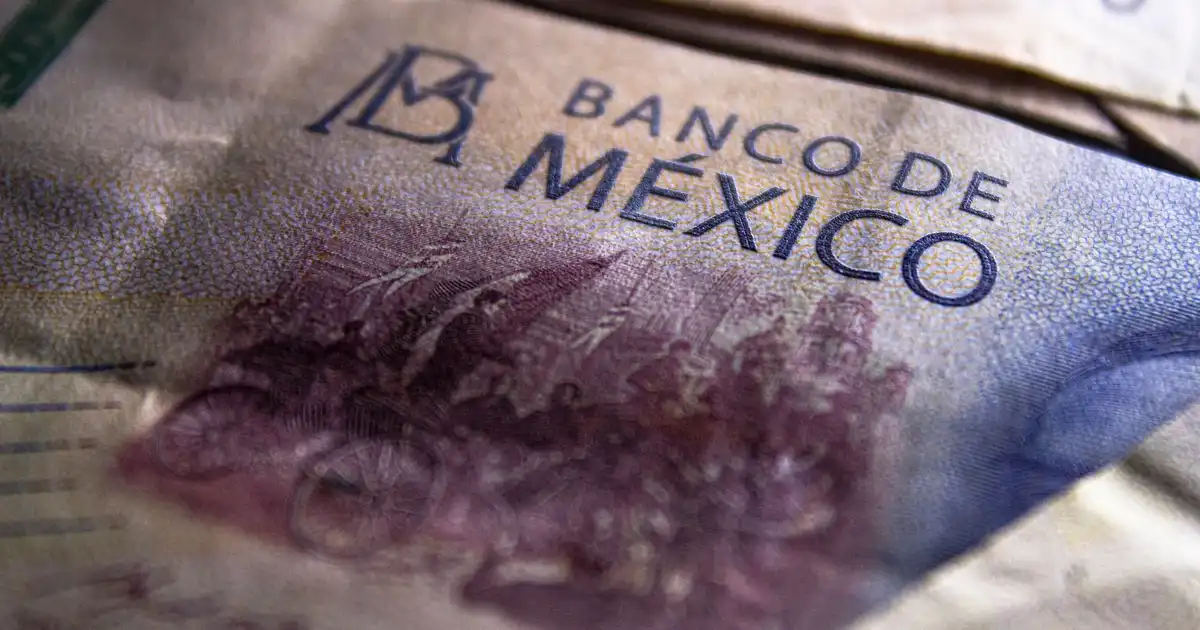
Mexican Peso Sees Sharp Decline as Carry Trade Unwinds on Rate Cut Expectations
The Mexican peso registered the steepest decline among major global currencies, reflecting a significant unwind of carry trades. Investors are anticipating a narrower interest rate differential as the Bank of Mexico considers rate cuts, moving away…
Peso Leads Global Declines as Carry Trade Reverses
The Mexican peso has recorded the largest depreciation against the US dollar among all major currencies, marking a sharp reversal for an asset previously favored by carry traders. This decline is attributed to a reassessment of interest rate differentials and growing investor caution.
After reaching its strongest level in eight years earlier this year, the peso has depreciated by 4.7% over the past two weeks. This movement follows substantial inflows earlier in the year that saw its value climb by 10%. As of Wednesday, October 1, the peso traded at 18.00 per USD, weakening from its 2026 low of 16.26 per USD. Analysts at Societe Generale now project the peso to weaken further to 19.50 per USD by year-end, revised from an earlier forecast of 17.50 per USD.
Monetary Policy Shift and Investor Exits
The primary driver behind the peso's recent weakness is the changing outlook for Mexican monetary policy. The Bank of Mexico (Banxico) has maintained its benchmark interest rate at a record high of 11.25% for an extended period, significantly above the Federal Reserve's 5.50% rate. This substantial interest rate differential had made the peso a highly attractive target for carry trades.
However, market expectations now lean towards Banxico initiating rate cuts, potentially narrowing this lucrative spread. The central bank's next monetary policy meeting is scheduled for mid-November. Speculation suggests a potential 25 basis point reduction in the policy rate. Should the Federal Reserve also begin to ease its monetary policy later, this could further erode the carry trade's appeal, but Banxico's proactive cuts would diminish the differential more immediately. Investors are anticipating an even greater unwind of positions if Banxico proceeds with aggressive rate cuts.
Political Volatility and Outlook
Beyond monetary policy, the peso's retreat also reflects increased sensitivity to Mexico's political landscape. The upcoming 2027 presidential elections are contributing to investor unease, particularly regarding potential shifts in economic policy. This political uncertainty compounds the pressure from a shrinking interest rate differential, accelerating capital outflows.
Year-to-date, non-resident investors have reduced their holdings of local bonds by approximately USD 6.5 billion. This sustained selling suggests a shift in sentiment away from Mexican assets. Further depreciation could materialize if Banxico cuts rates while the Federal Reserve maintains its current stance. Analysts will closely monitor Banxico's upcoming decisions for clarity on its policy trajectory and its implications for the peso.
Found this useful? Share it!
Interested in Finance Education?
Explore our CFA and investing courses — built for serious learners.