Reading this on Krawl? Register for free.
Unlock listen-aloud, reading history and personalised feeds — at zero cost.
Free registration unlocks the full Finance Desk
Adani Unit Settles Sanctions Violation, Highlighting Global Compliance Scrutiny
Adani Enterprises Ltd (AEL) reached a $275M settlement with the US Treasury over alleged Iran sanctions violations, signaling intensified global regulatory enforcement against multinational conglomerates.
The US Treasury's Office of Foreign Assets Control (OFAC) announced a $275 million settlement with Adani Enterprises Ltd (AEL) on Monday, concluding an investigation into alleged violations of Iran sanctions. This marks the second significant settlement for the Adani Group in recent days, following an $18 million agreement with the US Securities and Exchange Commission, reinforcing the escalating scrutiny faced by global conglomerates on multiple regulatory fronts.
OFAC Settlement Details and Context
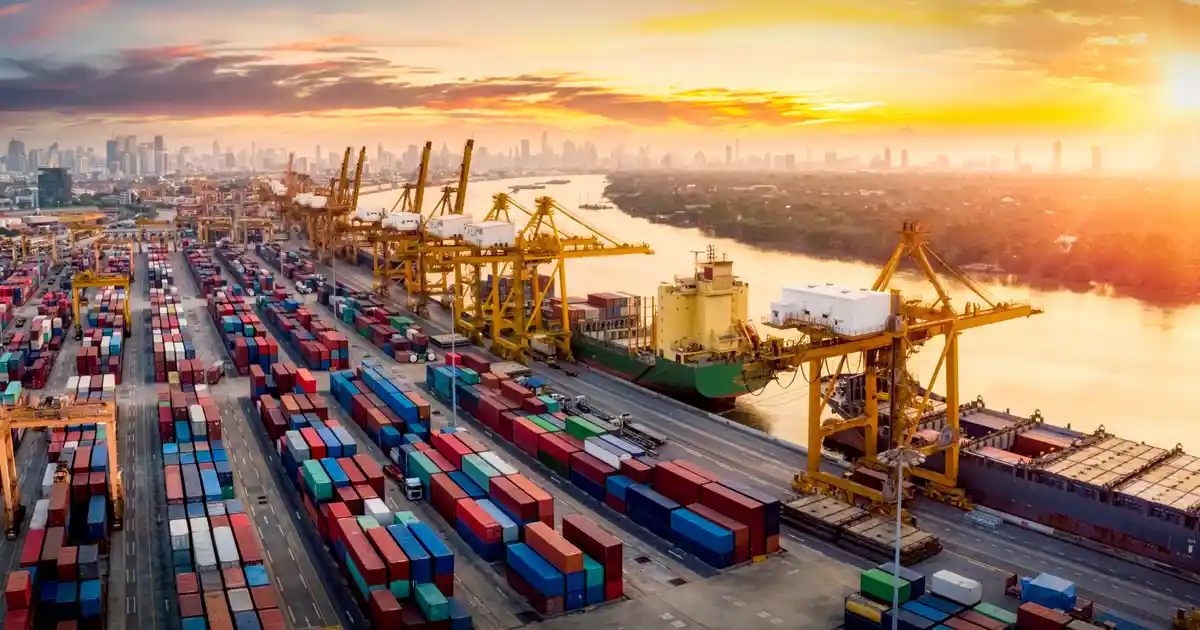
The settlement addresses apparent violations involving AEL's imports of Iranian liquefied petroleum gas (LPG) through India's Mundra Port. From November 2023 to June 2025, AEL allegedly purchased LPG shipments from a Dubai-based trader, purported to supply Omani and Iraqi gas, which was subsequently resold as a conduit for illicit Iranian supply. While the settlement does not constitute an admission of guilt, AEL's extensive cooperation with investigators, including proactive disclosures and enhanced compliance measures, significantly reduced the initial potential penalty of $384 million. The enforcement action follows earlier public reports from June 2025 regarding AEL's alleged involvement in Iranian-origin LPG imports and subsequent internal and external investigations initiated by the company.
Global Implications for Supply Chains and Compliance
This settlement underscores the critical importance of robust compliance frameworks for multinational corporations, particularly those engaged in commodity trading and logistics across complex geopolitical landscapes. The US Treasury's persistent enforcement of sanctions, even against non-US entities like AEL, demonstrates its extraterritorial reach and its impact on global supply chains. For energy markets, the scrutiny on LPG origins could lead to increased due diligence requirements for traders and shippers, potentially raising transaction costs and reshaping traditional sourcing routes. Beyond specific commodities, the Adani case serves as a broader signal to emerging market conglomerates about heightened regulatory risks associated with international trade, potentially influencing foreign direct investment flows and cross-border partnerships. Firms must navigate an intricate web of national and international regulations, with failures leading to significant financial penalties and reputational damage, irrespective of their primary operating jurisdiction.
The Bigger Story
The AEL settlement is not merely about a financial penalty; it highlights the increasing global convergence of compliance standards. This event signals a sustained international focus on supply chain transparency and counter-sanctions measures, compelling firms worldwide to integrate advanced geopolitical risk assessments into their operational and financial strategies.
Found this useful? Share it!
Interested in Finance Education?
Explore our CFA and investing courses — built for serious learners.