Reading this on Krawl? Register for free.
Unlock listen-aloud, reading history and personalised feeds — at zero cost.
Free registration unlocks the full Finance Desk
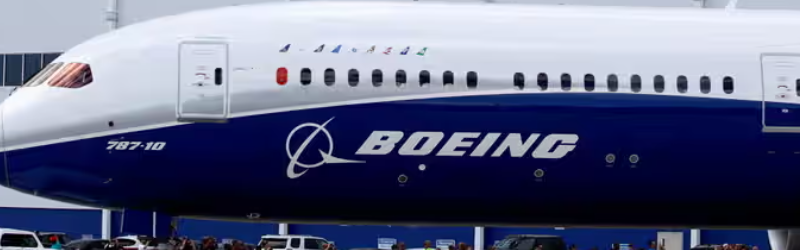
Airspace Closures Disrupt Airline Operations and Elevate Fuel Costs
Recent geopolitical events and restrictions on airspace have significantly impacted international airline operations, leading to longer routes and increased fuel consumption. This shift has elevated Aviation Turbine Fuel (ATF) overall cost.
A recent assessment of international flight operations revealed a significant contraction for several carriers, with some reducing weekly international flights by as much as 25% in May. This reduction is attributed to airspace restrictions stemming from geopolitical conflicts, which necessitate longer, indirect routes. These operational adjustments have direct implications for fuel consumption and overall airline economics, illustrating the immediate impact of external geopolitical events on a highly capital-intensive industry.

The Operational Contraction and Cost Surge
The primary driver for the operational shifts observed is the closure of certain airspaces due to ongoing conflicts, particularly in West Asia. This has forced airlines to deviate from optimal flight paths, resulting in longer distances, increased flight times, and significantly higher fuel burn. Data indicates that Indian carriers collectively reduced weekly international flights by 1,034 in May compared to the prior year, representing a 24.59% contraction. For context, market leader IndiGo decreased its international frequency by 150 flights to 1,687 per week, while Air India Express saw its weekly international flights fall from 959 to 451, a 53% drop. These adjustments underscore a widespread industry response to altered flight conditions. While non-Indian airlines experienced only a marginal 1.2% dip in weekly operations, their cumulative impact on overall market dynamics remains significant.
Mechanism of Cost Transmission
The operational mechanism linking airspace closures to airline profitability is direct and multifaceted. When an airline's direct route is unavailable, it must select an alternative. This alternative is almost invariably longer, increasing the distance flown. For example, a flight that previously took five hours might now take six or seven hours to bypass a restricted zone. This extended flight duration translates directly into greater fuel consumption. Given that Aviation Turbine Fuel (ATF) prices are determined by global crude oil benchmarks and local taxes, the increased volume of fuel required, coupled with potentially higher per-unit costs, rapidly inflates operating expenses. Prior to these shifts, ATF typically constituted about 40% of an airline's operating costs on normal days; however, with the longer routes and global fuel price increases, this share has risen to between 50-60%. For carriers with tight margins, such a substantial increase in a primary cost component can severely erode profitability, leading to flight reductions or re-evaluations of routes.
The Layered View of Industry Strain
Beyond the immediate financial impact of increased fuel costs, the situation reveals deeper layers of strain on the aviation sector. Airspace closures introduce operational inefficiencies that cascade through airline networks. Reduced flight frequencies mean lower capacity utilization on specific routes, potentially affecting revenue projections and market share. The need to re-route also places additional stress on crew scheduling, aircraft maintenance cycles, and overall logistical planning. Carriers like Akasa Air, which saw weekly flights increase from 64 to 82, appear to be strategically expanding on short-haul overseas routes, potentially to mitigate the risks associated with longer-haul, more exposed international flights. The cumulative effect suggests a re-prioritization of operational strategies to enhance resilience against geopolitical and economic volatility, with smaller carriers possibly finding niche advantages. The Federation of Indian Airlines (FIA) has explicitly stated that the airline industry is under “extreme stress” and facing “significant losses.”
The Bigger Picture
The current challenges highlight the aviation industry's inherent vulnerability to external shocks, particularly geopolitical events and commodity price volatility. The necessity of adjusting flight paths, while critical for safety, directly translates into elevated operational costs. For airlines, this means a continuous adaptation of network strategies and a heightened focus on cost control to maintain financial viability amidst evolving global conditions.
Found this useful? Share it!
Interested in Finance Education?
Explore our CFA and investing courses — built for serious learners.