Reading this on Krawl? Register for free.
Unlock listen-aloud, reading history and personalised feeds — at zero cost.
Free registration unlocks the full Finance Desk
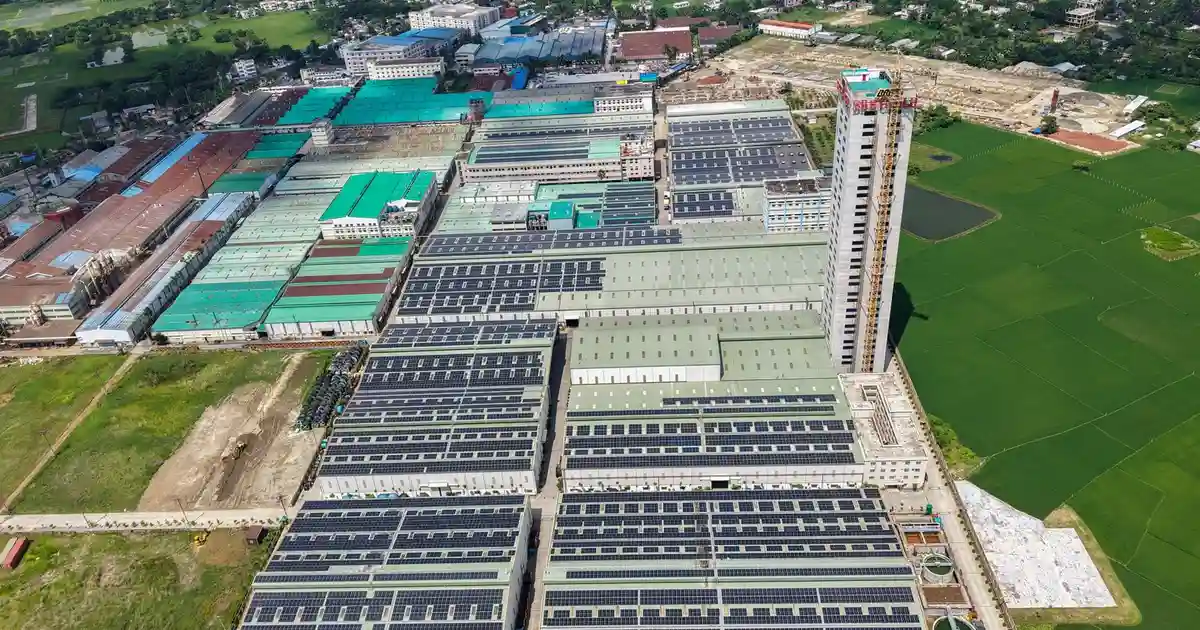
Bangladesh Scales Distributed Solar to Power Homes and Electric Rickshaws
Bangladesh is expanding its distributed power system, moving beyond the traditional national grid model. This initiative integrates rooftop solar panels and local micro-grids to supply electricity to remote villages and power the growing fleet of…
Decentralizing Power in Rural Bangladesh
Bangladesh is accelerating its shift toward a distributed power system, aiming to bring electricity to populations outside the traditional national grid. The country's infrastructure combines rooftop solar installations with village-level micro-grids, targeting both household consumption and the electrification of its vast rickshaw fleet. This approach offers a model for energy access in other emerging economies.
Local communities operate these micro-grids, often managing billing and maintenance, which contrasts with centralized power models. This distributed strategy addresses the challenge of extending the national grid to remote areas, a costly and complex endeavor. Instead, smaller, localized systems can be deployed more rapidly and efficiently, enhancing energy security at a granular level.
Solar for Transport and Homes
The rise of electric rickshaws presents a significant demand for accessible charging infrastructure. Bangladesh's distributed power system increasingly integrates charging stations into its micro-grids, providing a reliable energy source for these vehicles. This not only supports local livelihoods but also reduces air pollution associated with fossil fuel-powered alternatives.
For rural households, rooftop solar panels offer an immediate pathway to electricity access. These systems often include battery storage, ensuring power availability during off-peak sunlight hours. The government and various non-governmental organizations have facilitated the deployment of these units, often through micro-financing schemes, making solar technology affordable for low-income households.
Broader Implications for Energy Transition
Bangladesh's experience with distributed solar power highlights a potential blueprint for other developing nations grappling with energy deficits and infrastructure limitations. By leveraging localized renewable energy sources, countries can bypass the need for extensive capital investment in centralized grid expansion while simultaneously addressing climate goals.
This decentralized model also fosters local economic development, creating jobs in installation, maintenance, and micro-grid management. The scalability of such systems, from individual rooftops to village-wide grids, demonstrates a flexible approach to energy provision that can adapt to varying population densities and geographical challenges. The initiative positions Bangladesh as a leader in deploying practical, community-focused renewable energy solutions in a challenging environment.
Found this useful? Share it!
Interested in Finance Education?
Explore our CFA and investing courses — built for serious learners.