Reading this on Krawl? Register for free.
Unlock listen-aloud, reading history and personalised feeds — at zero cost.
Free registration unlocks the full Finance Desk
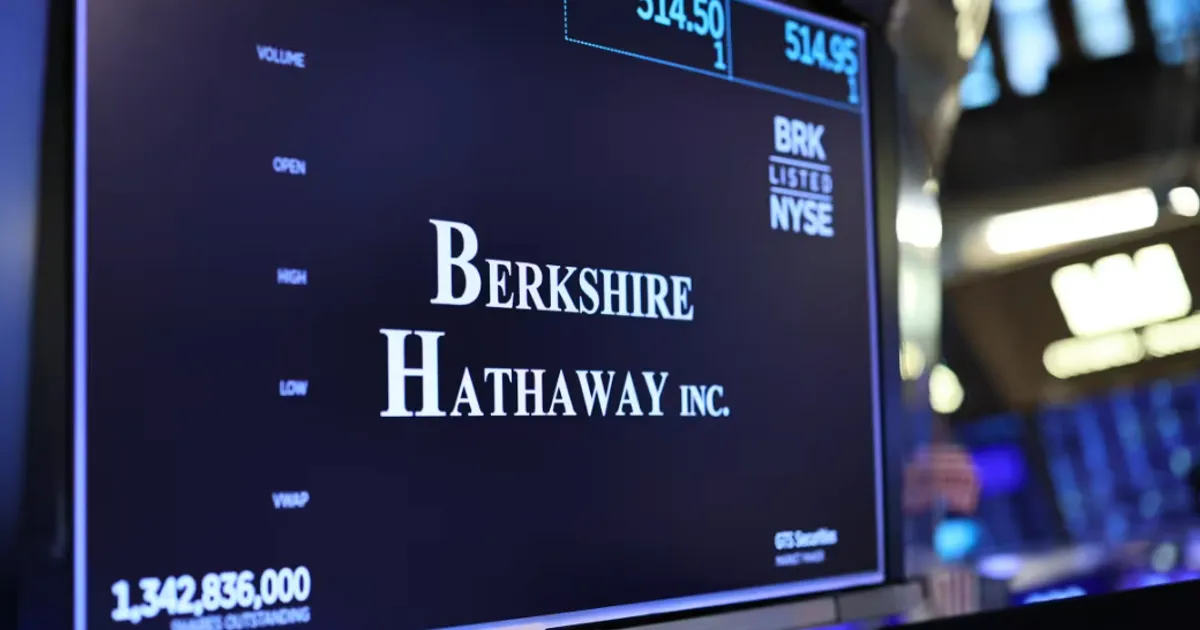
Berkshire Hathaway: The Post-Buffett Era of Operational Focus and Shareholder Adaptation
Berkshire Hathaway's recent annual meeting underscored a shift towards an operational leadership model under Greg Abel, moving beyond the charismatic draw of Warren Buffett.
The scene at Berkshire Hathaway's annual shareholder weekend in Omaha, Nebraska, exposed a growing sentiment among investors. While Greg Abel garners broad acclaim for his leadership and management acumen, the absence of Warren Buffett's customary stage presence and the resulting shift in atmosphere prompted varied shareholder reactions. This dynamic highlights a pivotal transition period for the conglomerate, moving from a personality-driven entity to one defined by its operational depth.
The Enduring Appeal of the Oracle
The consensus view largely centers on the idea that Berkshire Hathaway's unique shareholder appeal has diminished with Warren Buffett's reduced visibility. Observations from the recent annual meeting cited noticeably diminished crowds and empty seats, particularly significant given that Abel's tenure as CEO began in January. Analysts noted the main event drew fewer attendees, with Reuters reporters estimating approximately 12,000 of the arena's 18,000 seats were occupied when Abel led the meeting. This lower turnout, coupled with reduced lines for arena entry and fewer sales of merchandise like commemorative chocolates and branded ice cream, fuels the narrative of a conglomerate struggling to maintain its draw without its iconic leader.
Operational Depth Beyond Charisma
However, this perspective overlooks the inherent strength of Berkshire Hathaway’s decentralized operational model. Shareholders who attended the recent meeting expressed significant impressions of Abel's comprehensive knowledge across Berkshire's diverse operations, which span insurance, railroads, energy, manufacturing, and retail. John Wich, a utility systems analyst from Omaha, aptly noted, "They built something to outlast them." This reflects the enduring value proposition beyond any single individual. The shareholder shopping event, featuring Berkshire-owned businesses in an exhibit hall, underscored the breadth and stability of the conglomerate's portfolio. The perceived decline in merchandise sales and attendance may reflect a natural shift from a celebrity-driven event to a more focused business gathering, attracting shareholders primarily interested in operational insights rather than the spectacle.
A Maturing Conglomerate's New Chapter
The transition observed at Berkshire Hathaway is less a decline and more a maturation. The diminished crowds and changed atmosphere suggest a move away from the 'Oracle of Omaha's' almost cult-like following towards a more discerning investor base that values operational performance and strategic oversight. The company's resilience, built on a robust and diverse portfolio of well-managed businesses, indicates that its foundational strength is independent of any single personality. This evolution reinforces the idea that Berkshire Hathaway's value proposition is now more deeply rooted in its intrinsic operational capabilities and the strategic acumen of its leadership team, rather than the public persona of its founder.
The Position
Berkshire Hathaway is effectively navigating its post-Buffett transition by emphasizing operational excellence. The apparent reduction in public fervor reflects a necessary shift from a charismatic draw to a focus on its fundamental business strength. This transition positions the conglomerate for sustained, decentralized value creation, demonstrating its ability to thrive beyond its iconic founder's direct influence.
Found this useful? Share it!
Interested in Finance Education?
Explore our CFA and investing courses — built for serious learners.