Reading this on Krawl? Register for free.
Unlock listen-aloud, reading history and personalised feeds — at zero cost.
Free registration unlocks the full Finance Desk
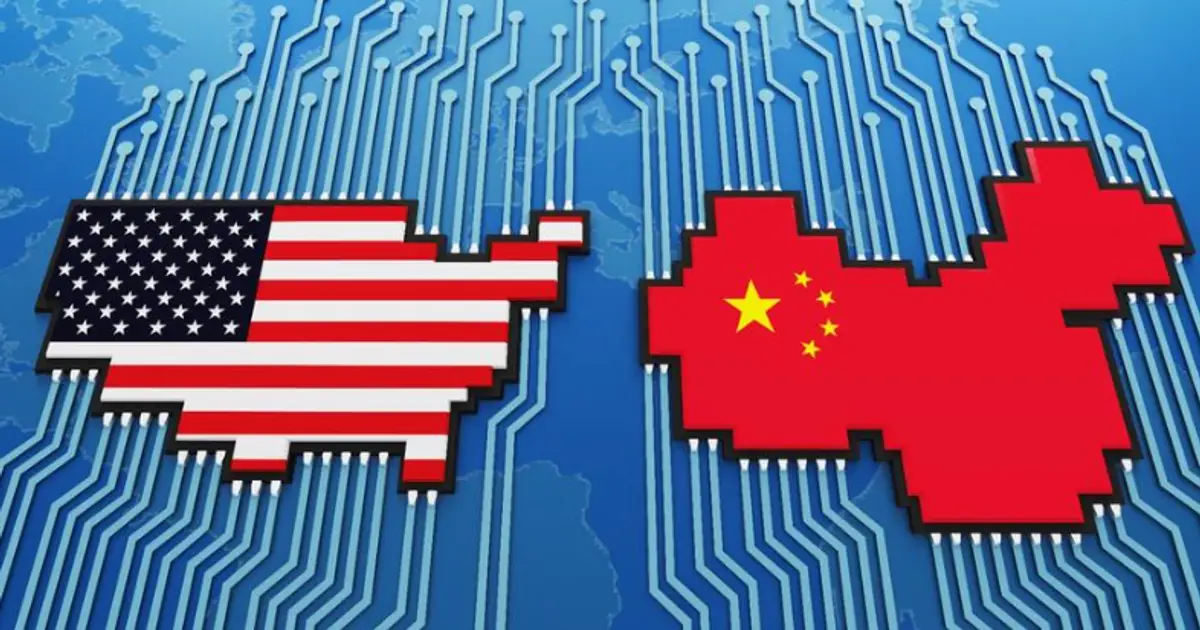
China Scraps Africa Tariffs, Aims to Outsmart US Trade Policy
Beijing is eliminating tariffs on most African goods, a move to counter US trade policies and deepen economic ties. This initiative seeks to boost African exports to China and enhance its role as a key trading partner.
China’s Strategic Tariff Elimination
African countries have faced increased difficulty exporting to the US since former President Trump implemented new tariffs. China is leveraging this situation by removing tariffs on goods from 53 of 54 African nations. This initiative excludes Eswatini, which maintains diplomatic ties with Taiwan. The move is expected to boost Africa's trade with China, a region with over a billion people and significant mineral resources.
China, already Africa's largest trading partner, is using this policy to reinforce its image as a champion of developing countries. African leaders and citizens have largely welcomed Beijing's efforts to alleviate poverty. Ronak Gopaldas, director at Signal Risk, a political-risk consulting firm, stated, "The optics of this decision are politically astute," emphasizing that it "reinforces Beijing's image as a stable and dependable partner for Africa." This contrasts with Washington's perceived erratic and transactional posture.
The policy could also strengthen China's access to critical minerals such as cobalt, copper, and coltan. It opens opportunities for Chinese companies to partner with African governments on infrastructure, logistics, and manufacturing projects, often with Beijing's financial backing. Kenya's Deputy President Kithure Kindiki highlighted Kenya's opportunity to reduce its USD 4 billion trade deficit with China, particularly for agricultural products like coffee, tea, macadamia nuts, and avocados.

Trade Structure and Non-Tariff Barriers
Gopaldas cautioned that the immediate impact might be limited, as the 2024 Chinese decision to grant tariff-free access to 33 least-developed African nations is unlikely to fundamentally alter Africa's trade structure. African exports to China are predominantly raw materials, while China exports finished products to Africa. Cobus van Staden, head of research at the China-Global South Project, noted that "It doesn't address the many nontariff barriers that hold back Africa-China trade," including phytosanitary requirements for agricultural exports and weak logistics and transport systems across many African nations.
Nigerian businesses have expressed concerns over high production costs, inadequate infrastructure, and logistics bottlenecks, which reduce their competitiveness in China. Lesotho, a developed African nation, has already benefited from tariff-free access to Chinese markets since late 2024. Mokhethi Shelile, Lesotho's former trade minister, highlighted the need for investment in production capacity and logistics to take full advantage of the agreement. Shelile stated, "If Lesotho can do that, the Chinese market could become a major growth engine." Otherwise, benefits might remain limited to raw commodity exports.
Geopolitical Trade Contrasts
Beijing's initiative sharply contrasts with the Trump administration's approach. The US is a major trading partner for South Africa and the mineral-rich Democratic Republic of Congo, which have faced US tariffs of 30% and 15% respectively. Trump's blanket 10% tariffs on all nations, and their legality, are under court review.
China's zero-tariff initiative may help Beijing regain influence in Africa. It could also enable African trading partners to strengthen their economies by adding value to their commodities and agricultural goods, generating more income through diversified exports.
Found this useful? Share it!
Interested in Finance Education?
Explore our CFA and investing courses — built for serious learners.