Reading this on Krawl? Register for free.
Unlock listen-aloud, reading history and personalised feeds — at zero cost.
Free registration unlocks the full Finance Desk
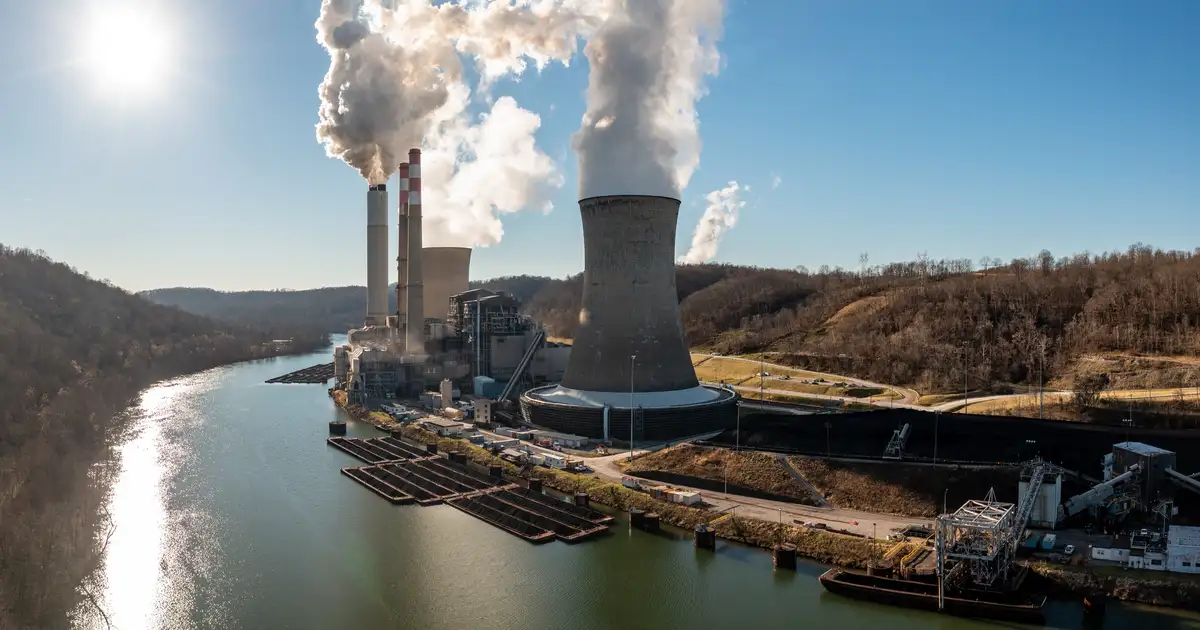
Coal Rebounds as Geopolitical Instability Disrupts Global Energy Flows
Global coal consumption has surged due to geopolitical events, particularly the Russia-Ukraine conflict and disruptions in the Strait of Hormuz.
Coal is making a significant comeback in the global energy landscape, driven by recent geopolitical tensions. Countries worldwide are increasingly relying on coal, a highly polluting yet reliable energy source, as disruptions in key shipping lanes and regional conflicts challenge traditional energy supplies.
The Resurgence of Coal Consumption
Global coal consumption is experiencing a notable surge, reaching an estimated 8,000 million metric tons, a level unseen in recent years. This resurgence is primarily linked to the Iran war's impact on the Strait of Hormuz, which has cut off approximately 20% of global liquefied natural gas (LNG) supplies. Concurrently, the Russia-Ukraine conflict has tightened gas supplies, particularly affecting European nations. Taiwan and South Korea have significantly boosted coal-fired power generation, while Italy has reactivated coal plants. Spot coal prices at Australia's Newcastle port, a major supplier to Asia, jumped 12% since the war began, briefly topping USD 140 per metric ton in mid-March, a level not seen since late 2024.
Geopolitical Shifts and Energy Security Mechanisms
The mechanism behind coal's comeback is multifaceted, primarily driven by energy security concerns. When major natural gas supply routes like the Strait of Hormuz are disrupted, or when sanctions impact gas flows from key producers, countries are forced to seek alternative, readily available energy sources. Coal, despite its environmental footprint, offers immediate operational capacity through existing infrastructure. The strategic shift involves activating idle coal-fired power plants, increasing imports from major coal producers, and adjusting energy policies to prioritize supply stability over decarbonization goals in the short to medium term. This impacts global commodity markets, raising coal prices and creating price volatility. While some European countries have diversified into renewables, the immediate need for power has led others to revert to coal, demonstrating how geopolitical events can rapidly alter energy transitions and national energy mixes.
The Layered Economic View
The return to coal represents more than just a temporary energy pivot; it signals a significant economic fallout from geopolitical instability. Tony Knutson, Head of Thermal Coal Markets at Wood Mackenzie, notes that as long as conflicts endure, coal will fill the energy gap. This trend has far-reaching implications, including increased carbon emissions, with coal burning producing double the carbon dioxide of natural gas. The conflict with Iran alone is projected to lead to an expected decline in coal demand by the end of the decade, highlighting the tension between short-term energy security and long-term climate goals. The economic implications include heightened investment risk in renewable energy projects and potential trade realignments as nations secure coal supplies.
The Bigger Picture
Coal's resurgence underscores the fragility of global energy supply chains amidst geopolitical tensions. This shift challenges established decarbonization timelines and highlights the intricate relationship between energy security, economic stability, and environmental commitments on a global scale.
Found this useful? Share it!
Interested in Finance Education?
Explore our CFA and investing courses — built for serious learners.