Reading this on Krawl? Register for free.
Unlock listen-aloud, reading history and personalised feeds — at zero cost.
Free registration unlocks the full Finance Desk
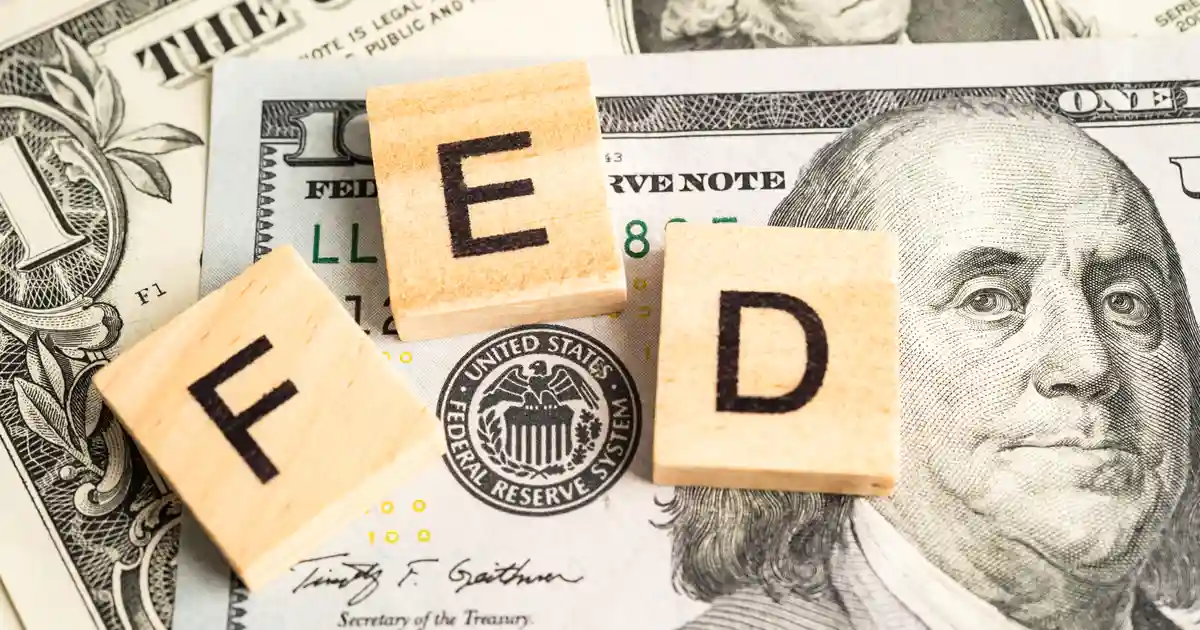
Fed Chair's Rate Cut Ambitions Face Market Skepticism and Internal Dissent
Incoming Fed Chair Warsh advocates for lower rates and a smaller balance sheet, confronting market predictions for no cuts in 2026 amidst persistent inflation concerns.
When Kevin Warsh was nominated for Fed Chair, the prospect of a double-barreled policy agenda—lower interest rates coupled with a smaller balance sheet—signaled a potential shift in monetary policy. However, as economic conditions evolve, particularly with recent inflation trends and a tightening job market, achieving these ambitions appears increasingly challenging for the new Chair.
Market Expectations Versus Fed Projections
Market sentiment has notably shifted regarding future federal-funds rates. In December 2025, implied market projections indicated a one-rate cut. By January 2026, this shifted to two rate cuts. However, a significant reversal occurred by May 2026, where expectations changed from two cuts to none, driven by geopolitical events like the Iran war. This stands in contrast to the Fed officials' median projection, which, as of March, indicated year-end rates of 3.0% for 2026, 2.0% for 2027, and 2.0% for 2028, suggesting a more dovish outlook than current market pricing. The Fed's own projections also show a federal-funds rate decreasing from 5% in 2024 to around 3.0% in 2026, while the consumer-price index remains volatile but generally trending upward, posing a challenge to aggressive rate cuts.
The Analytical View on Policy Challenges
The discrepancy between market expectations and Warsh's objectives highlights a complex policy landscape. The Fed's dual mandate, controlling inflation and maximizing employment, presents a difficult balancing act. Recent inflation data and a robust job market, with unemployment at 4.3% in April and job growth of 115,000 monthly, suggest the economy may not require the easing Warsh champions. Policymakers have emphasized the need for data-driven decisions, and persistent inflationary pressures could lead to a more hawkish stance than desired by Warsh. Furthermore, internal dissent within the Federal Open Market Committee (FOMC) poses an additional hurdle. As recently as April, four officials dissented on holding rates steady, arguing for increases to signal a commitment to price stability. This indicates a fractured committee, making consensus-building for rate cuts a significant challenge, especially when key new colleagues, like Jerome Powell, might hold differing views.
The Contrarian View: A Delicate Balance Sheet Adjustment
While Warsh's criticism of the Fed's balance sheet as 'too big' is well-documented, the process of shrinking it presents a delicate maneuver. The balance sheet ballooned during the 2008-09 financial crisis and again during the pandemic, peaking at nearly 9.00T USD in 2022 and currently standing at 6.70T USD. Liabilities primarily consist of the overnight reverse repo facility, treasury general account, and bank reserves. A significant reduction in bank reserves, a form of currency for interbank transactions, could introduce instability. Last fall, a decline in bank reserves sparked market anxiety, prompting the Fed to quickly reverse course and resume growing reserves. This suggests that while a smaller balance sheet is a long-term goal, aggressive and rapid unwinding might be destabilizing, forcing the Fed to prioritize financial stability over strict balance sheet targets, particularly given its critical role in the economy's functioning.
The Implication
The incoming Fed Chair faces an uphill battle to implement his desired policy agenda. Market skepticism, persistent inflation, a strong job market, and internal committee divisions collectively suggest that lower rates and a significantly smaller balance sheet will be challenging to achieve without risking economic instability, necessitating a cautious and adaptive approach to monetary policy.
Found this useful? Share it!
Interested in Finance Education?
Explore our CFA and investing courses — built for serious learners.