Reading this on Krawl? Register for free.
Unlock listen-aloud, reading history and personalised feeds — at zero cost.
Free registration unlocks the full Finance Desk
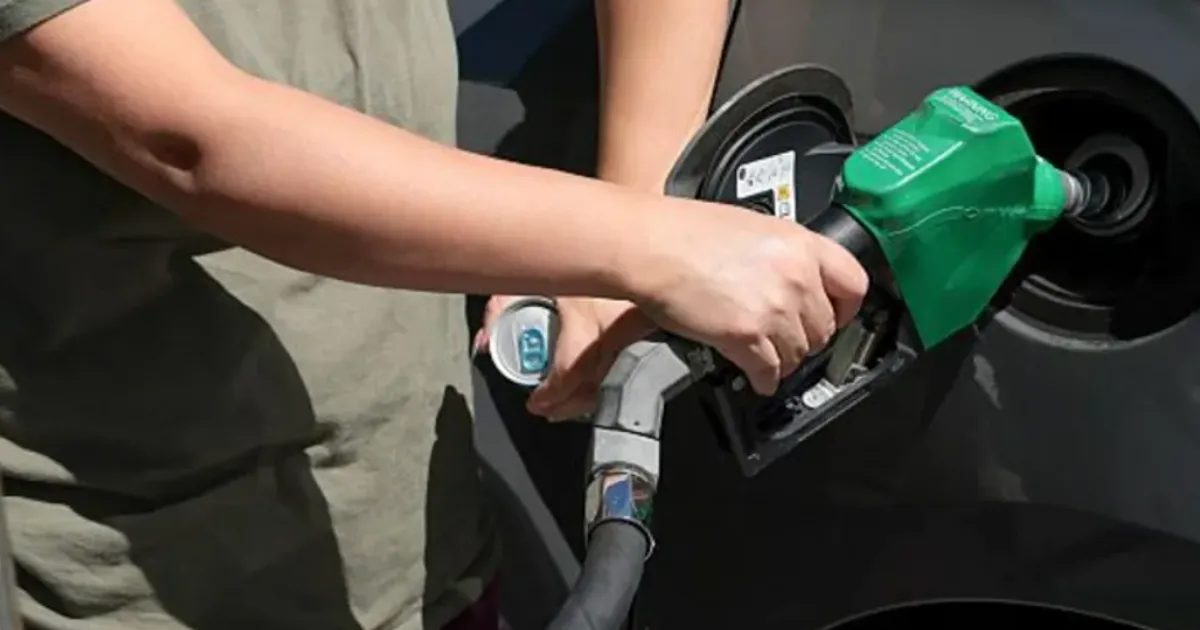
Gas Prices Are Eating Into Paychecks: Real Wages Decline as Fuel Costs Surge
American workers saw real weekly earnings fall 0.9% in March 2026, the steepest decline since mid-2022, as surging gas prices from geopolitical tensions erode purchasing power despite nominal wage gains.
The American worker is facing a renewed assault on purchasing power. While paychecks continue to grow in nominal terms, the reality at the gas pump is telling a different story—one where inflation-adjusted earnings are sliding backward at an alarming rate.
Consumer prices in March 2026 rose at their fastest annual pace in two years, driven primarily by the Iran war's impact on gasoline prices, which have surged past $4 per gallon. This inflationary spike has rapidly eroded the modest wage gains workers have achieved, creating a painful squeeze on household budgets and marking a significant reversal from the improving real wage picture of recent months.
The Real Wage Crunch: Numbers Don't Lie
When economists strip out inflation from nominal wage growth, the picture becomes stark. Real weekly earnings plummeted 0.9% in March 2026—the steepest monthly decline since June 2022, when inflation peaked following the pandemic recovery. This represents a dramatic deceleration from the modest gains workers had been experiencing earlier in the year.
Perhaps more concerning is the year-over-year comparison. Weekly earnings were up just 0.2% in March compared to the same month in 2025, a significant slowdown from the 1.6% yearly gain recorded in February. This suggests that the purchasing power of American workers is essentially stagnant, with any nominal wage increases being completely consumed by rising prices at the pump and elsewhere.
The Fuel Factor
The surge in fuel costs has been particularly acute for rank-and-file workers and those in blue-collar industries who often face longer commutes and have less flexibility to work remotely. For these workers, transportation costs represent a larger share of their household budgets, making them disproportionately vulnerable to gas price spikes.
Adjusted for inflation, hourly earnings for blue-collar workers inched up only 0.1% in March from a year earlier, slipping below the growth rate for all workers. This divergence highlights how inflation impacts different segments of the workforce unequally, with those least able to absorb cost increases bearing the brunt of price surges.
The Post-Pandemic Labor Market Reversal
This wage erosion marks a significant shift from the worker-friendly conditions that emerged as the pandemic faded. During 2021 and 2022, rapid hiring created opportunities for workers to switch jobs for higher pay and take on additional hours. This dynamic pushed wage growth well ahead of inflation for a period, with year-over-year gains reaching as high as 9% for both hourly and weekly earnings in early 2022.
However, that favorable environment has evaporated. Diane C. Swonk, chief economist at KPMG US, notes that changing jobs for more pay isn't as easy in today's slow-hire job market. Many companies are actively looking for places to cut costs, including labor expenses, and workers are increasingly at risk of being laid off rather than being courted with higher wages.
The Hours Worked Dimension
Adding another layer to the earnings decline is the reduction in hours worked. The number of hours Americans work each week has slumped to levels lower than before the pandemic. This reduction in available work amplifies the real wage decline, as workers face both reduced purchasing power per hour and fewer hours to earn income.
This combination creates a double squeeze: not only is each dollar earned worth less due to inflation, but workers are earning fewer dollars in the first place due to reduced hours. For households living paycheck to paycheck, this can quickly translate into financial stress and difficult choices about which expenses to cut.
Broader Economic Implications
The erosion of real wages carries significant implications beyond individual household budgets. Consumer spending, which accounts for approximately 70% of U.S. economic activity, depends heavily on wage growth. When real wages decline, consumer spending typically follows, potentially slowing economic growth.
The Federal Reserve faces a delicate balancing act in this environment. While the central bank has been concerned about persistent inflation, weakening real wage growth could dampen consumer demand and eventually put downward pressure on prices. However, geopolitically-driven energy price spikes present a particular challenge, as they're largely outside the Fed's control through monetary policy.
Industry-Specific Impacts
The impact of declining real wages varies significantly across industries. Service sector workers who can work remotely or who have shorter commutes may be less affected by gas price increases than manufacturing workers, construction employees, or those in transportation and logistics who must physically commute or whose work directly involves fuel consumption.
Similarly, workers in industries experiencing rapid automation or cost-cutting pressures may face both wage stagnation and reduced hours, compounding the challenge of maintaining household income levels. The hospitality and retail sectors, still recovering from pandemic disruptions, appear particularly vulnerable to these pressures.
Looking Ahead: What This Means for Workers
The current trajectory suggests that American workers should prepare for continued pressure on their purchasing power, at least in the near term. With geopolitical tensions showing no signs of immediate resolution and companies focused on cost containment, the favorable labor market dynamics of 2021-2022 are unlikely to return quickly.
For individual workers, this environment demands defensive financial strategies: building emergency savings, reducing discretionary spending, and carefully evaluating any job changes for genuine long-term value rather than modest short-term pay increases. The days of easy job-hopping for significant raises appear to be behind us, at least for now.
From a policy perspective, the declining real wage picture may eventually force policymakers to consider interventions beyond monetary policy—whether through targeted fiscal support, efforts to increase domestic energy production, or other measures designed to support household purchasing power in the face of external price shocks.
The bottom line is clear: for American workers, the gains of the post-pandemic labor market boom are being steadily eroded by fuel costs and broader inflation, creating renewed economic uncertainty and pressure on household finances. Until either wages accelerate significantly or inflation moderates substantially, workers will continue to feel their paychecks falling into their gas tanks.
Found this useful? Share it!
Interested in Finance Education?
Explore our CFA and investing courses — built for serious learners.
More from Krawl Insights

Unpacking Mr. Market's erratic behavior. From geopolitical tensions to surprising AI pivots.
GM's $2.8 Billion Korean Gambit: Navigating Tariffs, Labor Arbitrage, and Global Production Strategy