Reading this on Krawl? Register for free.
Unlock listen-aloud, reading history and personalised feeds — at zero cost.
Free registration unlocks the full Finance Desk
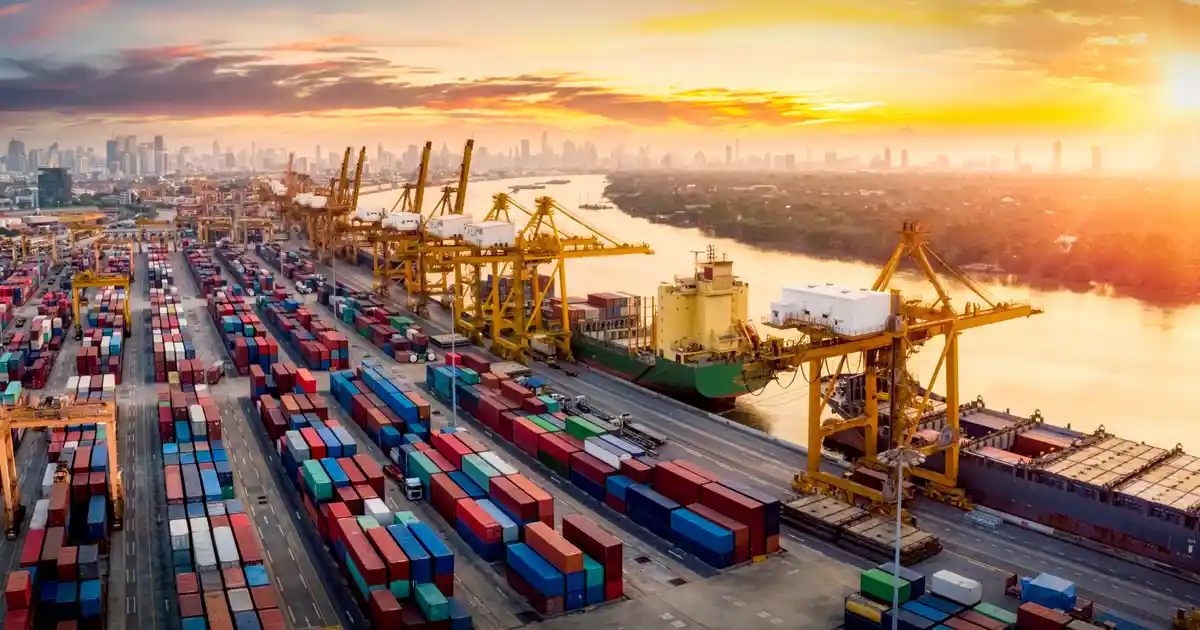
Geopolitical Ripples: $25 Billion Infrastructure Costs and Global Growth Pressures Amidst Supply Chain Shocks
Global economies face severe headwinds from geopolitical tensions and supply chain disruptions, impacting energy markets, triggering a projected 0.6% GDP growth deceleration in some regions, and necessitating over $17 billion in emergency relief fund
Navigating a Volatile Global Economic Landscape
The global economy is currently grappling with a potent mix of escalating geopolitical tensions and inherent supply-side vulnerabilities, presenting significant challenges for finance professionals and investors worldwide. A recent confluence of events, including renewed trade blockades and regional conflicts, threatens to deepen an already precarious global economic outlook, driving up energy costs and disrupting critical supply chains.
Energy Markets Under Renewed Strain
Geopolitical maneuvering, particularly the U.S. naval blockade of Iran, is casting a long shadow over global energy markets. This move, escalating regional tensions, not only threatens the stability of the Strait of Hormuz—a crucial chokepoint for global oil transit—but also portends a broader financial shock more impactful than the immediate military implications. Oil prices surged as a direct consequence of these developments, while the aluminum market, a key industrial metal, saw prices jump due to a four-year high amid fears of prolonged supply squeezes affecting nearly 10% of the world's supply. The ripple effect is already palpable, with refineries struggling and gas stations rationing fuel. Airlines, reliant on stable fuel costs, are being forced to reduce flight frequencies, exacerbating the logistical challenges.
European economic growth, already showing signs of deceleration, faces further headwinds. Reports indicate a slowing economic crawl, exacerbated by ongoing trade disputes and the potential for reduced energy exports. The U.S., a net energy exporter, might see reduced supply due to these global pressures, leading to higher pump prices for consumers.
Regional Economic Headwinds and Fiscal Responses
Middle East: Geopolitical Flashpoint and Economic Fallout
The Strait of Hormuz remains a critical artery for global trade, and its closure, as described by European Commission President Ursula von der Leyen as "greatly damaging" for Europe, underscores the far-reaching implications of regional instability. The ongoing risks in the Gulf disproportionately affect energy infrastructure. Iran's diminishing naphtha and petrochemical exports have forced Japan to secure additional supplies. Moreover, Gulf neighbors are bearing the brunt of the fallout, with Qatar struggling to meet LNG facilities and infrastructure repair costs, estimated to exceed $25 billion over five years, according to Rystad Energy. This substantial investment highlights the economic cost of maintaining operational integrity amidst heightened regional risks.
Asia: Supply Chain Vulnerabilities and Fiscal Measures
Across Asia, the supply squeeze is intensifying. South Korea's legislature recently approved an emergency relief package totaling over $17 billion, which includes cash subsidies of up to $400 for low-income citizens, signaling proactive fiscal intervention to cushion the economic blow. This move aims to mitigate the impact of rising costs and potential job losses, but its long-term effectiveness hinges on the duration of the current economic downturn.
The broader Asian region is witnessing a slowdown in manufacturing output and a significant increase in cooking gas prices, hitting household budgets. Disruptions in helium supply further impact high-tech industries in South Korea and Malaysia, particularly semiconductor manufacturing. Vietnam Airlines has halted numerous flights to China and Cambodia, reflecting reduced demand and operational challenges.
Economic forecasts for several Asian countries reflect this pessimism. Qatar's gross domestic product (GDP) is projected to shrink by 13% this year, with the UAE's GDP contracting by 8%, and Saudi Arabia's by 6.6%. Germany, a key trading partner, saw a significant uptick in growth post-pandemic but now faces potential setbacks due to global supply chain issues and rising energy costs, impacting its industrial output and export-oriented economy.
Inflationary Pressures and Monetary Policy Implications
The surge in commodity prices is directly fueling inflation, putting pressure on central banks globally to raise interest rates. This is a critical concern for fixed-income investors and corporate treasurers, as borrowing costs increase and economic growth potentially slows. The interplay between geopolitical risk and inflationary pressures creates a challenging environment for monetary policy, where central banks must balance growth objectives with price stability mandates.
Forecasters have already cut their global GDP growth outlook for the year from 1.3% to 0.6%, indicating a significant downward revision in economic prospects. This revision impacts investment decisions, corporate earnings projections, and overall market sentiment.
Outlook and Risk Management for Finance Professionals
The current economic climate underscores the need for robust risk management strategies. "Unquestionably, everyone is worse off," noted Gordon Flake of the Perth USAsia Centre, emphasizing the broad-based negative impact. Hamzeh Al Gaad, an economist, views the situation as "something business will have to factor in," highlighting the increased risk premium investors must consider. Post-war energy prices, even if conflicts de-escalate, are expected to remain elevated, hindering recovery and retaining the ability to weaponize the strait.
For CFA candidates and finance professionals, understanding these interconnected global risks is paramount. The implications for investment portfolios include increased volatility, re-evaluation of sector exposures (e.g., overweighting energy, underweighting discretionary consumer), and a focus on companies with strong balance sheets and diversified supply chains. The potential for prolonged high energy costs and supply disruptions means that companies must develop resilient operational models. The imperative for central banks to manage inflation while avoiding a significant slowdown will lead to complex and potentially divergent monetary policies, necessitating close monitoring by financial market participants.
Found this useful? Share it!
Interested in Finance Education?
Explore our CFA and investing courses — built for serious learners.
More from Krawl Insights

Unpacking Mr. Market's erratic behavior. From geopolitical tensions to surprising AI pivots.

GM's $2.8 Billion Korean Gambit: Navigating Tariffs, Labor Arbitrage, and Global Production Strategy