Reading this on Krawl? Register for free.
Unlock listen-aloud, reading history and personalised feeds — at zero cost.
Free registration unlocks the full Finance Desk
Geopolitical Volatility: Unpacking the $2 Million Strait of Hormuz Toll and 7.7% Crude Market Jolt
The latest US blockade on Iran via the Strait of Hormuz has sent ripples through global markets, evidenced by a 7.7% surge in Brent crude futures and potential $2 million shipping tariffs, demanding close scrutiny from finance professionals monitorin
Geopolitical Volatility: Unpacking the $2 Million Strait of Hormuz Toll and 7.7% Crude Market Jolt
The strategic Strait of Hormuz, a critical chokepoint for global energy flows, is once again at the epicenter of geopolitical tensions. Following the breakdown of US-Iran talks, Washington has initiated a blockade aimed at strangling Iran’s economic lifelines. This move, while ostensibly designed to pressure Tehran into abandoning its nuclear ambitions, carries profound implications for global trade, commodity markets, and maritime security, necessitating a rigorous assessment by finance professionals.
The Anatomy of the US Blockade
The US initiative, commencing on Monday, entails stopping ships travelling to or from Iranian ports and coastal areas, including those in the Arabian Gulf and Gulf of Oman. Importantly, the US Navy has clarified that it will “not impede” vessels merely transiting the Strait from other countries. This distinction is crucial for international maritime law, aiming to differentiate between a targeted blockade and a complete closure of international waters.
The primary objective is to eliminate Tehran's significant leverage in negotiations, which historically stems from its control over a passage through which approximately 20% of global oil moves. Iran has previously demonstrated its capacity to disrupt shipping, a clear reminder of its strategic position.
Enforcement Mechanisms and Risks
Enforcement of the blockade is expected to involve the US Navy compelling vessels to comply. If initial efforts fail, physical control of ships is a potential next step. However, experts express reservations about the use of warplanes or missiles due to the substantial environmental risks associated with potential spills in such a vital maritime corridor. This suggests a nuanced approach, prioritizing de-escalation while maintaining pressure. For finance professionals, this translates into elevated insurance premiums for shipping in the region, potential rerouting costs, and increased operational uncertainties for maritime logistics firms.
Economic Leverage and Global Repercussions
The blockade directly targets Iran's primary source of revenue: oil exports. By reducing Iran's ability to sell its crude, the US aims to curtail the financial resources available for its nuclear program and regional activities. This strategy inherently introduces significant sovereign risk into Iran's economic outlook.
Iran's Oil Exports and Sanctions
Historically, China has been a major buyer of Iranian crude, often paying in Chinese Yuan (¥), a mechanism that has helped Iran circumvent some sanctions. KpLer estimates suggest China purchased approximately 1.4 million barrels of oil per day from Iran in 2025. This continued trade highlights the complexity of international sanctions regimes and their enforcement. India, another significant energy consumer, ceased importing oil from Iran in 2019, though it recently received waivers allowing two supertankers of Iranian crude, indicating a fluctuating enforcement landscape. The broader impact on Iran’s ability to generate foreign currency reserves, critical for debt servicing and imports, is a key metric for financial analysis.
The Financial Impact on Iran
The stated aim is to 'strangle Iran's oil revenues and destroy its economy,' forcing Tehran to accede to Washington's terms. This translates into a significant reduction in foreign exchange earnings, exacerbating inflationary pressures, and potentially impacting Iran's sovereign credit ratings. Companies with exposure to Iranian markets, directly or indirectly, face heightened operational and financial risks.
Market Volatility: Brent Crude and Shipping Costs
The immediate market reaction underscores the financial community's apprehension. Brent crude futures jumped by 7.7% following the blockade announcement, reflecting concerns over potential supply disruptions from the Persian Gulf. This spike is a direct manifestation of the geopolitical risk premium being priced into energy markets.
The $2 Million Passage Price
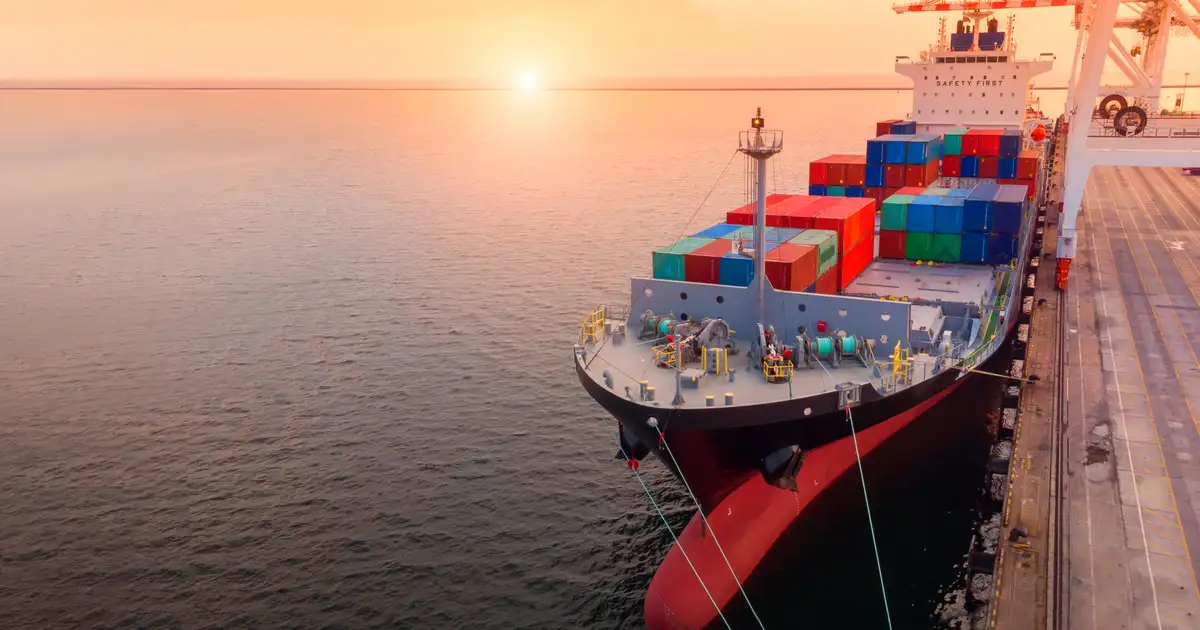
Adding to the complexity, Iran has previously charged up to $2 million for each ship passing through the Strait of Hormuz, especially during periods of heightened tension. Such an imposition, if widely enforced, significantly increases the cost of doing business for shipping companies. This fee, effectively a geopolitical tax, impacts freight rates, raises the cost of goods transported through the Strait, and ultimately affects consumer prices globally. For investors in shipping equities or energy ETFs, understanding these additional costs and their pass-through potential is paramount.
Stranded Assets and Trade Disruptions
Reports indicate that as many as 15 Indian-flagged vessels, including LNG and LPG carriers, crude oil tankers, container ships, a dredger, and a chemical tanker, are currently stranded west of the Strait of Hormuz. Beyond these, an estimated 20,000 Indian seafarers in the Persian Gulf and adjacent areas face uncertainty. The Indian Navy and a multi-ministry task force are monitoring the situation. This situation highlights the direct operational risks to global supply chains and the potential for significant delays, impacting inventory management and just-in-time delivery models prevalent in modern commerce. The broader implication is a potential increase in trade finance costs and a re-evaluation of supply chain resilience by multinational corporations.
Broader Geopolitical Implications
The blockade has also drawn threats from Iran, which has responded by indicating potential disruptions to all ports in the Persian Gulf and the Gulf of Oman. This escalation rhetoric amplifies regional instability and could further impact insurance costs. The fragile two-week ceasefire, which expired on April 22, further complicates the outlook, raising fears of renewed hostilities. Maritime experts like Lars Jensen note that while the blockade presents a 'very tiny trickle of vessels' in the broader scheme of things, it 'doesn't really change anything' for overall global trade, the symbolic and escalatory potential remains high.
Conclusion
The US blockade on Iran, centered on the strategic Strait of Hormuz, presents a multi-faceted challenge for finance professionals. From the immediate 7.7% surge in Brent crude futures to the potential imposition of a $2 million passage fee for vessels, the economic ramifications are significant. The situation underscores the inextricable link between geopolitics and global markets, demanding vigilance in assessing commodity price volatility, supply chain risks, and the evolving landscape of international trade. As tensions simmer, monitoring the delicate balance between diplomatic efforts and economic pressures will be crucial for navigating investment decisions and risk management strategies in an increasingly interconnected world.
Found this useful? Share it!
Interested in Finance Education?
Explore our CFA and investing courses — built for serious learners.
More from Krawl Insights

Unpacking Mr. Market's erratic behavior. From geopolitical tensions to surprising AI pivots.

GM's $2.8 Billion Korean Gambit: Navigating Tariffs, Labor Arbitrage, and Global Production Strategy