Reading this on Krawl? Register for free.
Unlock listen-aloud, reading history and personalised feeds — at zero cost.
Free registration unlocks the full Finance Desk
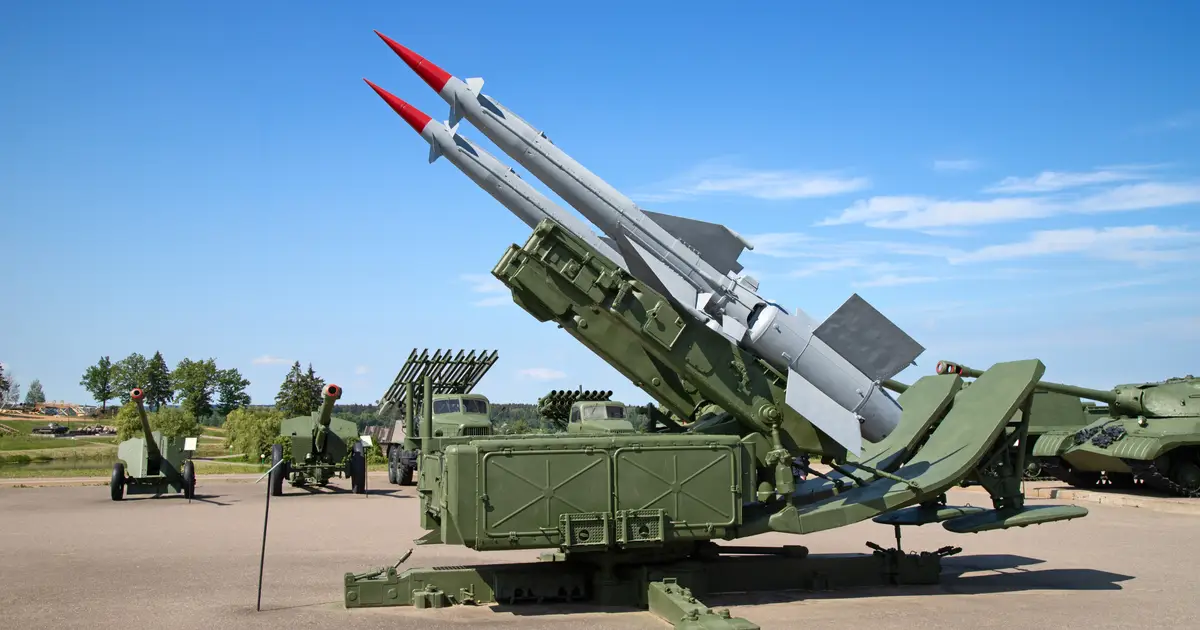
Global Defence Spending Surge: IMF Flags $84.02 Billion R&D and Rising Fiscal Imbalance
The IMF warns of significant global economic imbalances as defence spending surges amid ongoing conflicts, highlighting risks to fiscal and external balances for nations, including India's projected $84.02 billion R&D outlay by FY27.
The Escalating Global Defence Outlay: A Deep Dive into IMF Warnings
Geopolitical tensions are increasingly shaping global economic narratives, with defence spending emerging as a critical focal point for macroeconomic stability. The International Monetary Fund's (IMF) latest World Economic Outlook in April underscores a significant rise in global defence expenditure, driven by ongoing conflicts, notably the US-Israel war against Iran, which despite a temporary ceasefire, remains volatile. For finance professionals, this trend signals a complex interplay of fiscal pressures, debt accumulation, and potential shifts in resource allocation that demand meticulous analysis.
A New Era of Military Investment: Data Highlights
The IMF’s report, drawing on data from sources like SIPRI, paints a stark picture of accelerated defence investment:
- Broad-Based Increases: From 2020 to 2024, approximately half of all countries globally increased their defence budgets. This widespread recalibration reflects a collective response to a more insecure geopolitical landscape.
- GDP Allocation Shift: By 2024, 40 percent of countries are allocating more than 2 percent of their GDP to defence, a notable increase from just 27 percent in 2018. This trend signifies a substantial reallocation of national resources towards military preparedness.
- Arms Industry Boom: The world's top 100 largest arms manufacturing firms have seen their sales double over the past two decades, indicating robust demand and significant capital flows within the defence sector.
- NATO's Ambitious Targets: In 2025, NATO member countries committed to raising their annual defence spending to 5 percent of GDP by 2035, a substantial leap from their previous target of 2 percent. Such commitments portend sustained high levels of defence spending for the foreseeable future, with significant implications for member states' fiscal health.
These figures collectively illustrate a pronounced shift in global spending priorities, moving away from the post-Cold War peace dividend and towards a more militarized economic environment.
Macroeconomic Headwinds: The Price of Security
The IMF warns that defence-spending booms, particularly those occurring outside of wartime, frequently erode fiscal and external balances. This phenomenon is often characterized by a classic 'guns-versus-butter' tradeoff, where increased military expenditure leads to:
- Public Debt Accumulation: Sharp increases in defence outlays, often financed via borrowing, contribute directly to rising public debt levels. This can crowd out private investment and impose a long-term burden on national economies.
- Reduced Social Spending: Governments face difficult choices, often cutting back on vital social programs like healthcare, education, or infrastructure to fund defence. This can have profound implications for human capital development and long-term economic growth potential.
- Current Account Deterioration: Increased demand for foreign military equipment leads to higher imports, worsening a country's current account balance. For nations heavily reliant on imported defence technologies, this creates external vulnerabilities and can pressure local currencies.
- Inflationary Pressures: Operating as a sector-specific demand shock, large defence buildups can raise output and prices in the short term, especially when the spending increase is permanent, potentially contributing to overall inflation.
The macroeconomic impact of such a defence buildup in the present climate could differ significantly from historical patterns. With many economies already grappling with high debt levels and inflationary pressures, an uncontrolled surge in defence spending could exacerbate existing vulnerabilities.
Policymaker's Blueprint: Mitigating Fiscal Risks
To navigate these complex economic waters, the IMF report urges policymakers to consider several measures to integrate defence buildup within credible medium-term fiscal frameworks:
- Careful Macroeconomic Management: Governments must manage overall macroeconomic conditions to prevent overheating and friction costs associated with rapid resource reallocation.
- Cost Control and Efficiency: Implementing robust strategies for cost control and efficiency in defence procurement and operations is crucial to maximize impact while minimizing fiscal strain.
- Cross-Sectoral Reallocations: Policymakers should assess the broader economic implications, especially for large, cross-sectoral reallocations, ensuring that defence investments do not unduly stifle other productive sectors.
Such prudent management is essential to avoid converting security investments into economic liabilities, which could ultimately undermine a nation's long-term stability.
India's Strategic Position: Balancing Ambition and Fiscal Prudence
India stands at a critical juncture in this evolving global landscape. As one of the world's top five defence spenders and importers, the country's defence policy holds significant macroeconomic implications. India currently spends below 2 percent of its GDP on defence, leaving room for potential increases compared to the global trend.
Experts like Colonel Rajneesh Singh (retd.), a research fellow at the Manohar Parrikar Institute for Defence Studies and Analyses, emphasize India's historically prudent defence spending policy. However, he acknowledges displayed intentions to increase the budget when necessary. Singh highlights a strategic pivot towards self-reliance:
"Today, we are focused on exporting defence goods made in the country to keep the revenues flowing while simultaneously we are trying to reduce or limit our imports of defence items through a policy of self-reliance in defence manufacturing."
This approach aims to mitigate current account pressures and foster domestic industrial growth. Singh further stresses the imperative for India to invest in strengthening its defence-industrial base sooner rather than later. Notably, India's defence budget for research and development is projected to reach approximately $84.02 billion by FY27, signaling a significant commitment to indigenous capabilities and technological advancement.
Conclusion for Finance Professionals
The surge in global defence spending presents a multifaceted challenge for finance professionals. It necessitates a keen understanding of fiscal sustainability, sovereign debt risks, and the potential for sector-specific demand shocks. Investment decisions must factor in geopolitical risk premiums, potential shifts in national budgetary priorities, and the long-term economic consequences of increased military outlays. As nations navigate the dual imperatives of security and economic stability, the ability to analyze these complex interdependencies will be paramount for informed decision-making and strategic planning.
Found this useful? Share it!
Interested in Finance Education?
Explore our CFA and investing courses — built for serious learners.
More from Krawl Insights

Unpacking Mr. Market's erratic behavior. From geopolitical tensions to surprising AI pivots.

GM's $2.8 Billion Korean Gambit: Navigating Tariffs, Labor Arbitrage, and Global Production Strategy