Reading this on Krawl? Register for free.
Unlock listen-aloud, reading history and personalised feeds — at zero cost.
Free registration unlocks the full Finance Desk
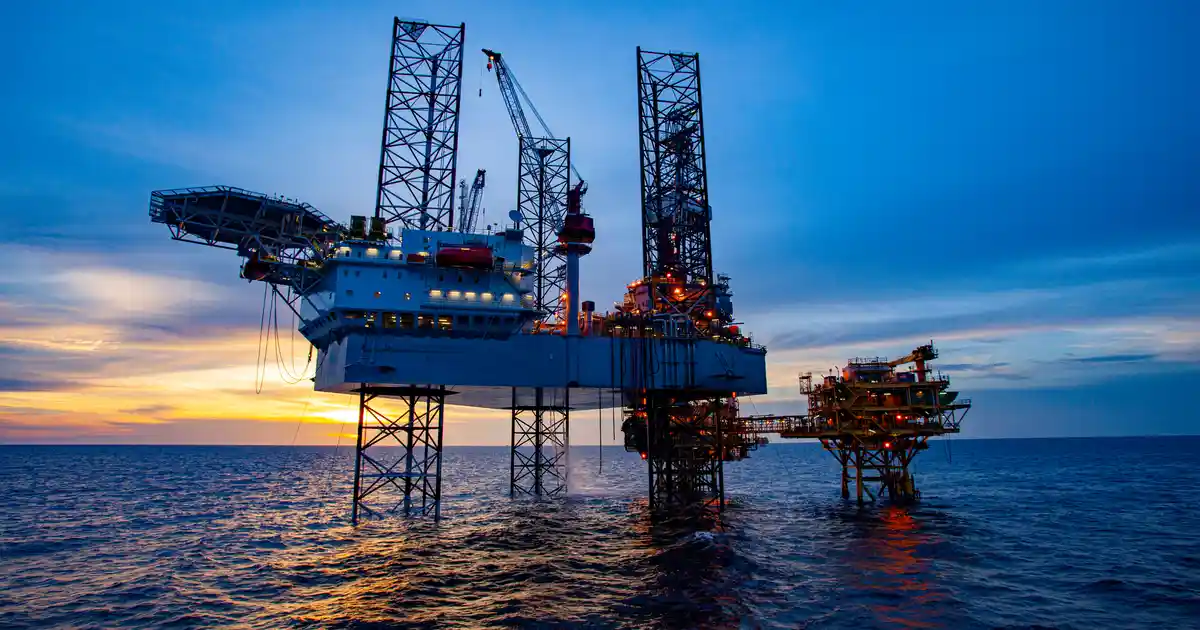
IEA: Prepare for prolonged Oil Supply Shock Amidst Geopolitical Bottlenecks
The near-closure of the Strait of Hormuz has created an unprecedented global energy supply shock. The International Energy Agency (IEA) reports that oil supplies could remain constrained for months, even after shipping resumes.
The potential for a sustained disruption to global oil supplies emerged following the near-closure of the Strait of Hormuz, a critical waterway for international energy trade. This event has led to an unprecedented shock across global energy markets, with the International Energy Agency (IEA) projecting prolonged constraints on oil supplies. Even as efforts commence to resume shipping, the cumulative impact of infrastructure damage, logistical bottlenecks, and the essential task of clearing Iranian mines from the strait poses significant hurdles to the restoration of normal export operations.
The Immediate Impact and Forecasted Recovery
The IEA, a Paris-based energy watchdog representing Western nations and their allies, anticipates a substantial contraction in global oil demand this year. The agency now expects a demand reduction of 420,000 barrels per day, a stark increase from its previous forecast of an 80,000-barrel-per-day decline. This revision reflects the severe disruption to tanker traffic and the broader reverberations of stalled U.S.-Iran negotiations throughout the global economy. Even after mines are cleared, it is projected to take at least two to three months to fully restore steady export operations, requiring oil tankers to exit the Gulf, empty vessels to be repositioned, and port loading schedules to be reorganized.
Supply-Side Dynamics and Regional Variances
The IEA's base-case scenario posits that oil flows through Hormuz will gradually resume starting in June, with demand growth turning positive only in August. However, supply recovery is expected to be significantly slower due to ongoing infrastructure challenges and logistical constraints. Oil production and refining activity are also anticipated to recover at a slower pace than shipping traffic. Countries with congested ports and limited storage capacity, such as Iraq, are likely to face extended timelines to return to pre-war export levels. In contrast, Saudi Arabia and the United Arab Emirates are expected to restore output more quickly due to robust infrastructure and operational resilience.
The Broader Market Implications
As a direct consequence of these dynamics, the oil market is projected to remain in deficit until the final quarter of the year. This persistent imbalance highlights the deep-seated nature of the supply shock and the challenges in rapidly recalibrating global energy flows. The IEA now anticipates that global supply will fall by 3.9 million barrels a day this year, a substantial increase from previous expectations of a 1.5 million-barrel-a-day decline. This revised outlook underscores the profound and lingering impact of geopolitical instability on global energy security and market stability, affecting all participants from producers to consumers.
The Bigger Picture
The prolonged oil supply shock emanating from the Strait of Hormuz underscores the fragility of global energy markets to geopolitical events. The interplay of physical infrastructure constraints, logistical bottlenecks, and ongoing diplomatic stalemates suggests that market rebalancing will be an extended process, with notable regional disparities in recovery speed and impact.
Found this useful? Share it!
Interested in Finance Education?
Explore our CFA and investing courses — built for serious learners.