Reading this on Krawl? Register for free.
Unlock listen-aloud, reading history and personalised feeds — at zero cost.
Free registration unlocks the full Finance Desk
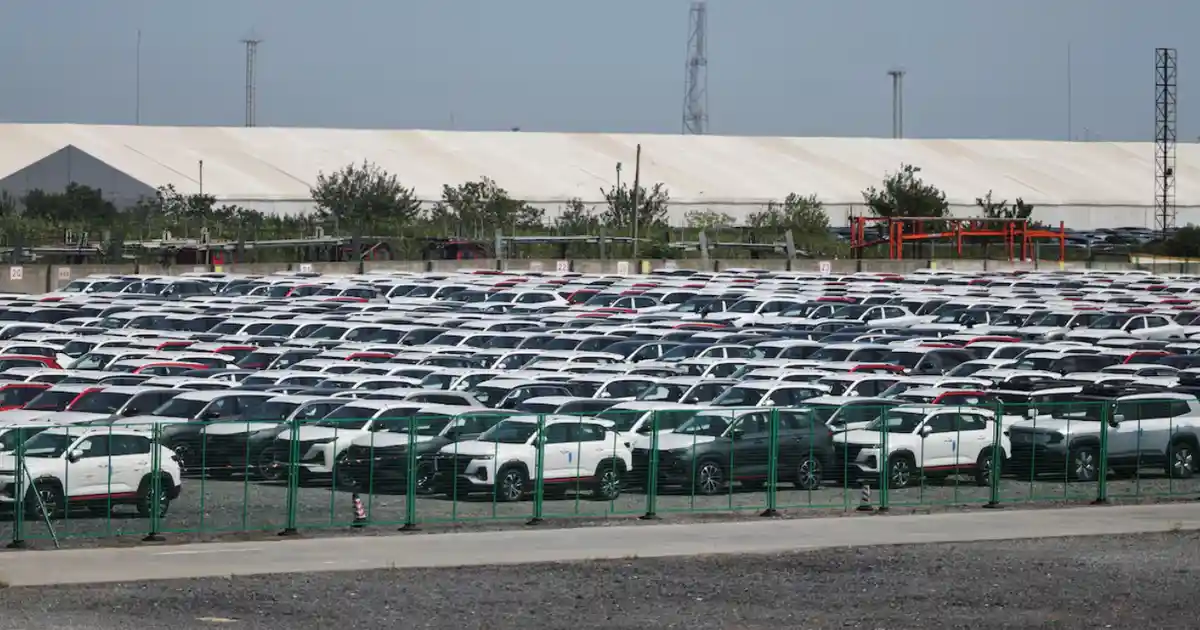
India's BEE Proposes Sharp Credit Cuts for Strong Hybrids Under CAFE-3, Tilting Policy Toward Pure EVs
India's Bureau of Energy Efficiency plans to slash volume derogation factors for strong hybrid vehicles from 3.0 to 1.5 under CAFE-3 norms, diminishing their regulatory advantage and steering automakers toward battery-electric vehicles amid tightenin
India's Bureau of Energy Efficiency is preparing a significant policy shift under the upcoming CAFE-3 corporate average fuel efficiency norms, proposing to cut volume derogation factors (VDFs) for strong hybrid vehicles from 3.0 to 1.5. This move directly undermines the regulatory sweetener that has made hybrids attractive to automakers, as VDFs allow vehicles with lower emissions to be counted as fewer units in fleet-wide emission calculations.
Under CAFE-2, strong hybrids carried a VDF of 2.0, reduced to 1.6 in the April 2026 draft. The latest CAFE-3 proposal, shared by the BEE with the Society of Indian Automobile Manufacturers and automakers, slashes this further. A carmaker selling 1,000 petrol SUVs emitting 150 grams per kilometer and 1,000 small cars emitting 100 grams would see fleet-wide emissions rise from 125 g/km under the current regime to approximately 137 g/km under the new norms—far above the proposed 100 g/km target.
This regulatory tightening aligns with India's broader push toward zero-emission technologies and comes as geopolitical tensions over crude oil imports intensify. With a VDF of 3.0, 200 EVs could offset significant emissions; at 1.5, automakers face a steeper compliance challenge. The BEE's proposal to Siam marks a decisive tilt: strong hybrids lose ground, pure EVs gain primacy.
Found this useful? Share it!
Interested in Finance Education?
Explore our CFA and investing courses — built for serious learners.
More from Krawl Insights

Unpacking Mr. Market's erratic behavior. From geopolitical tensions to surprising AI pivots.
GM's $2.8 Billion Korean Gambit: Navigating Tariffs, Labor Arbitrage, and Global Production Strategy