Reading this on Krawl? Register for free.
Unlock listen-aloud, reading history and personalised feeds — at zero cost.
Free registration unlocks the full Finance Desk
India's First Hydrogen Train Advances with $334.8 Million Investment
India's Railway Board approved a 10-coach hydrogen fuel cell-based trainset for the Jinda-Sonipat section, positioning the country among select nations exploring hydrogen for rail. Initiative involves a government outlay of $334.8 million.
First Hydrogen Trainset Approval
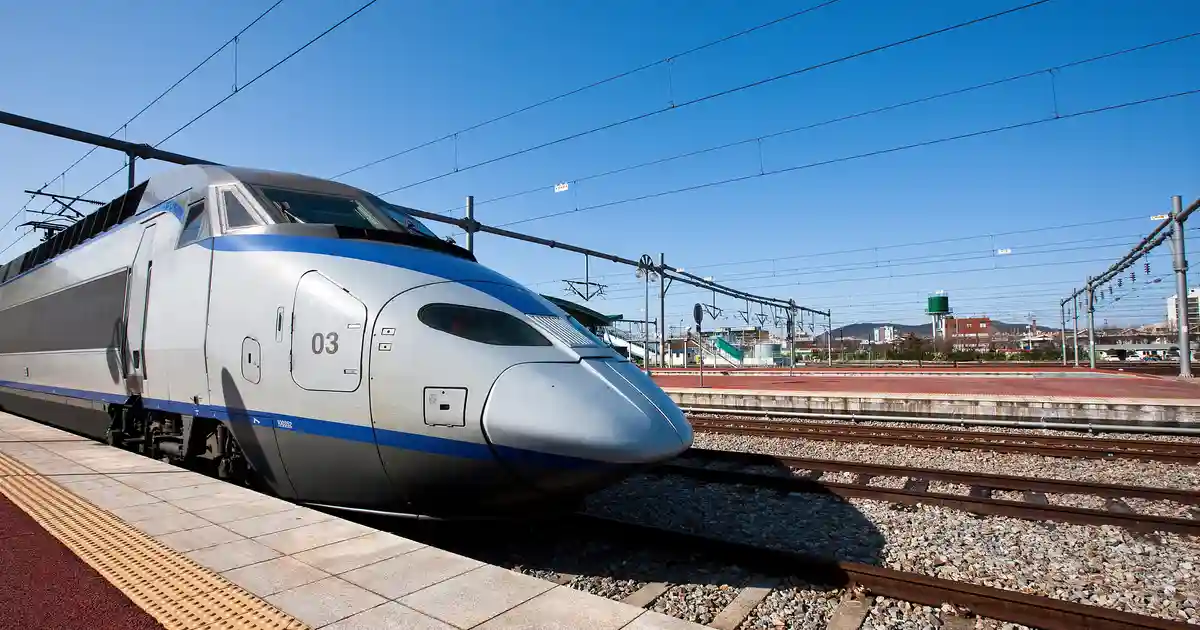
India's first hydrogen train has moved closer to implementation, following the Railway Board's approval for a 10-coach hydrogen fuel cell-based trainset. This trainset will operate on the dedicated Jind-Sonipat section of Northern Railway, as per a May 22 circular issued by the Ministry of Railways. The trainset is slated for operations soon, reaching a maximum speed of 75 kilometers per hour, powered by a 1,200-kilowatt hydrogen fuel cell propulsion system.
This initiative places India among a select group of countries, including Germany, Japan, China, and the US, that are exploring hydrogen for cleaner rail transportation. While the technology is in its nascent stages, only a limited number of countries are currently operating or testing such systems.
Projected Rollout and Investment
The rollout of India's initial hydrogen train has been anticipated, with the government viewing it as an alternative energy source to mitigate dependence on energy imports. Experts note that the technology requires further validation at scale. The government has initially allocated around $334.8 million for the development of 35 such trains. Officials plan to operate these trains on heritage and hill routes where electrification is incomplete. The Jind-Sonipat route, which includes a refueling and hydrogen storage facility at Jind, has been selected as the pilot route. The trainsets will be developed by retrofitting existing diesel electric multiple units.
Hydrogen fuel cell technology generates electricity through a chemical reaction involving hydrogen and water vapor, with water as the only emission, offering a cleaner alternative to conventional fossil fuel-based traction systems. The Petroleum and Explosives Safety Organization has granted the necessary license for the storage and dispensing of compressed hydrogen gas at the site. The hydrogen plant and refueling facility will be secured to prevent unauthorized access.
According to the May 22 circular, safety measures, including hydrogen leak detectors and flame detectors, will be installed in the hydrogen production and dispensing facility, which will undergo regular inspection and cleaning to prevent dust accumulation and ensure safe operations. Maintenance for the train will be conducted at Shakur Basti in Delhi, with the rake moved in a dead condition, towed by a locomotive, for maintenance. The approval also mandates comprehensive safety and operational protocols, including round-the-clock monitoring of the hydrogen refueling system, deployment of trained and certified personnel for critical operations, and regular inspection and maintenance schedules. Initially, for three months, the train will be accompanied by trained technical staff to address any in-route technical issues.
Broader Implications and Challenges
The government is also exploring other alternative hydrogen sources. A former railway official noted that the technology remains unproven and carries higher lifecycle costs. Lalit Chandra Trivedi, former general manager of East Central Railway, commented that India should carefully evaluate large-scale deployment of hydrogen trains. Indian Railways has achieved nearly 100% broad gauge electrification, allowing renewable energy to directly feed into the traction network, offering a more efficient and economical path. Trivedi also noted that hydrogen involves substantial challenges related to production, storage, transportation logistics, and safety management, which can increase lifecycle costs.
He added that investing in grid strengthening, energy storage systems, and maximizing the productive utilization of renewable power within the existing electrified railway system could yield greater long-term benefits.
Found this useful? Share it!
Interested in Finance Education?
Explore our CFA and investing courses — built for serious learners.