Reading this on Krawl? Register for free.
Unlock listen-aloud, reading history and personalised feeds — at zero cost.
Free registration unlocks the full Finance Desk
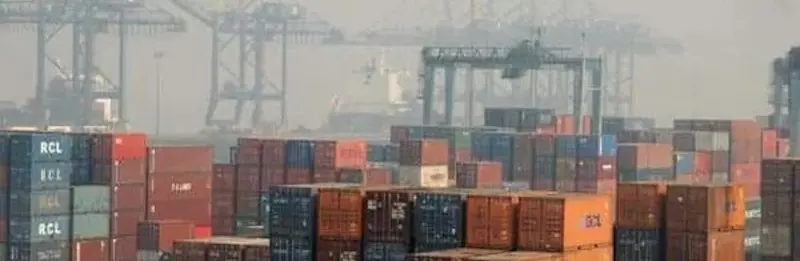
India's Green Steel Revolution: What It Means for Finance and Sustainability Careers
India's ambitious plan to cut steel emissions by 25% while doubling capacity opens new career pathways in sustainable finance, ESG analysis, and green investment.
India's steel industry is embarking on a transformative journey that will reshape not only the country's industrial landscape but also create unprecedented opportunities for finance professionals specializing in sustainability and environmental, social, and governance (ESG) analysis.
The Dual Challenge: Growth Meets Sustainability
According to recent government documents, India aims to achieve what many considered impossible: reducing steel industry emissions by 25% while simultaneously doubling production capacity. This ambitious target reflects a broader global trend where economic growth must align with climate commitments—a paradigm shift that's creating entirely new career pathways in the finance sector.
For finance professionals, particularly those pursuing or holding CFA credentials, understanding these sectoral transformations is no longer optional. It's becoming a core competency that distinguishes competitive candidates in today's job market.
Why Finance Professionals Should Pay Attention
The steel industry's decarbonization represents one of the most complex financial challenges of our time. Steel production accounts for approximately 7-9% of global CO2 emissions, making it a critical focus area for sustainable investment strategies. India, as the world's second-largest steel producer, plays a pivotal role in this transition.
This creates several implications for finance careers:
- ESG Integration: Asset managers and analysts must evaluate steel companies based on their decarbonization roadmaps, not just traditional financial metrics
- Green Finance Expertise: Structuring loans, bonds, and investment vehicles to fund emission-reduction technologies requires specialized knowledge
- Risk Assessment: Climate-related financial risks in carbon-intensive sectors demand new analytical frameworks
- Regulatory Compliance: Understanding emerging carbon pricing mechanisms and sustainability reporting standards becomes essential
The Technology Behind the Transformation
India's emission reduction strategy will likely involve multiple technological pathways, each presenting distinct investment opportunities and risks that financial analysts must understand:
- Hydrogen-based steelmaking replaces coal with green hydrogen, dramatically reducing carbon emissions. However, this technology requires substantial capital investment and depends on renewable energy availability—factors that directly impact project financing and valuation models.
- Carbon capture and storage (CCS) technologies can reduce emissions from existing blast furnaces, but their economic viability depends on carbon pricing mechanisms and policy support—requiring analysts to incorporate regulatory scenarios into financial projections.
- Electric arc furnaces (EAF) using scrap steel consume less energy, but their feasibility depends on scrap availability and electricity grid decarbonization—supply chain considerations that affect working capital and operational risk assessments.
Career Opportunities in the Green Steel Ecosystem
The intersection of India's steel transformation and finance is creating specific career pathways:
1. Sustainable Finance Analysts
Financial institutions are building dedicated teams to evaluate and finance decarbonization projects. These roles require understanding both traditional financial analysis and sustainability metrics, making the CFA credential combined with ESG specialization particularly valuable.
2. Climate Risk Specialists
As physical and transition risks associated with climate change affect corporate balance sheets, risk management teams need professionals who can quantify climate-related financial exposures in carbon-intensive sectors like steel.
3. ESG Investment Strategists
Asset management firms are developing investment products focused on India's industrial transition. Portfolio managers who understand sectoral decarbonization pathways can identify companies positioned to lead—or lag—in the green steel revolution.
4. Corporate Finance Advisors
Steel companies require strategic advice on capital allocation, technology selection, and financing structures for their decarbonization initiatives. Investment bankers and corporate finance professionals with technical sustainability knowledge command premium positions.
Building the Right Skill Set
For finance professionals aiming to capitalize on these opportunities, a multi-dimensional skill set is emerging as the standard:
- Core financial analysis: The CFA Program provides the foundational quantitative and valuation skills required for any finance role, including those focused on sustainability.
- ESG frameworks: Familiarity with reporting standards like TCFD (Task Force on Climate-related Financial Disclosures), SASB (Sustainability Accounting Standards Board), and emerging regulations is increasingly expected.
- Sectoral knowledge: Understanding industrial processes, emission sources, and decarbonization technologies in key sectors like steel, cement, and chemicals differentiates candidates.
- Policy awareness: India's carbon policy landscape—including potential carbon taxes, emissions trading systems, and performance standards—directly impacts investment thesis development.
The Investment Case: Reading Between the Lines
When analyzing companies in India's steel sector, finance professionals must now incorporate sustainability factors into traditional valuation models:
- Capital expenditure requirements: Decarbonization requires significant upfront investment. Companies with strong balance sheets and access to green financing have competitive advantages.
- Regulatory risk exposure: Firms lagging in emissions reduction face potential carbon pricing costs, market access restrictions, and reputational risks—all of which affect future cash flows.
- Technology leadership: Early adopters of proven decarbonization technologies may achieve operational efficiencies and premium pricing in green steel markets.
- Supply chain positioning: As global manufacturers commit to scope 3 emission reductions, steel producers with lower carbon intensity will access premium markets, affecting revenue projections.
Practical Application for CFA Candidates and Charterholders
The CFA Program curriculum increasingly incorporates ESG considerations across all levels, reflecting the profession's evolution. For candidates and charterholders looking to position themselves in sustainability-focused roles:
- Level I candidates should strengthen understanding of how environmental factors create financial risks and opportunities, particularly in equity and fixed income analysis.
- Level II candidates can deepen sector-specific knowledge, applying financial statement analysis to identify companies genuinely committed to decarbonization versus those engaged in greenwashing.
- Level III candidates and charterholders should focus on portfolio construction incorporating climate scenarios and developing investment policies that align with clients' sustainability objectives.
Looking Ahead: A Defining Decade
India's commitment to simultaneously growing and greening its steel industry represents a microcosm of the broader transition underway across emerging markets. For finance professionals, this creates a defining career opportunity: becoming specialists at the intersection of industrial transformation and investment strategy.
The next decade will see massive capital flows directed toward decarbonization projects. Financial professionals who understand how to evaluate these investments—balancing technological risk, policy uncertainty, and return expectations—will be positioned at the forefront of their field.
Whether you're pursuing the CFA credential, already a charterholder, or simply navigating your finance career path, developing expertise in sustainable finance is no longer a niche specialization. It's becoming core to financial analysis itself.
Key Takeaways
- India's plan to cut steel emissions by 25% while doubling capacity creates new finance career opportunities in ESG, climate risk, and sustainable investment
- Understanding sectoral decarbonization pathways is becoming essential for equity analysts, credit analysts, and portfolio managers
- The CFA credential combined with ESG specialization positions professionals for roles in this growing field
- Financial analysis must now incorporate sustainability metrics, regulatory scenarios, and technology assessments alongside traditional metrics
- The transition represents a multi-trillion dollar investment opportunity requiring specialized financial expertise
As India's industrial sectors transform to meet climate commitments, the finance professionals who can navigate this complexity—quantifying risks, identifying opportunities, and allocating capital efficiently—will define the next generation of investment leadership.
Found this useful? Share it!
Interested in Finance Education?
Explore our CFA and investing courses — built for serious learners.