Reading this on Krawl? Register for free.
Unlock listen-aloud, reading history and personalised feeds — at zero cost.
Free registration unlocks the full Finance Desk
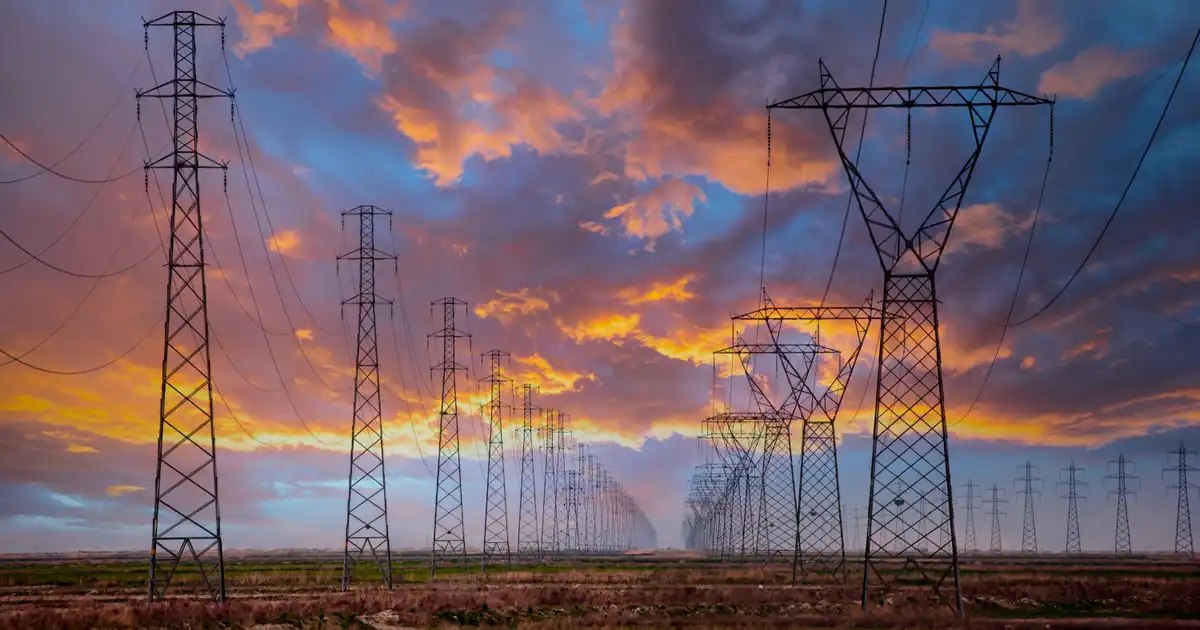
India’s peak power demand hit a record 260.45 GW
Record power demand, driven by intensifying heatwaves across significant economic regions, poses systemic risks. This surge strains energy grids, elevates commodity prices, and could disrupt global supply chains, impacting industrial output and centr
A recent announcement from India highlighted a significant event: peak power demand crossed 260 GW for the first time, reaching 260.45 GW. This record surge, successfully met without shortfall at 15:40 local time, underscores the escalating energy consumption driven by persistent, severe heatwave conditions across vast swathes of the subcontinent. This event surpassed previous highs, signaling an intensifying trend in energy draw as global temperatures continue to rise.
Escalating Energy Demand and Grid Strain
The record 260.45 GW peak power demand was driven by an unprecedented heatwave, with temperatures exceeding 45 degrees Celsius across north, central, and western regions. This sustained heat significantly increased cooling loads in residential, commercial, and industrial sectors, accelerating electricity consumption. While the immediate demand was met, the event pushes closer to government projections of a 270-271 GW summer peak, signaling a continuous upward trend. For instance, Delhi’s peak demand alone reached 7,776 MW, exceeding the 7,000 MW mark earlier than in previous years and forecasting potential peaks over 9,000 MW this season. Such sustained, elevated demand tests grid resilience and operational efficiency.
Cross-Market Transmission and Commodity Impact
The implications of such concentrated energy demand extend beyond immediate grid stability. Elevated consumption, particularly in a coal-dependent energy mix, could pressure global thermal coal prices and freight rates as supply chains adjust to increased procurement. This dynamic would impact energy-intensive industries globally, from manufacturing in Southeast Asia to European industrial users facing already volatile energy costs. Furthermore, sustained high temperatures in key agricultural regions could disrupt food supply chains, affecting commodity prices for staples and potentially contributing to inflationary pressures in multiple economies. Central banks, already navigating complex inflation dynamics, would need to consider the impact of climate-driven demand shocks on their policy frameworks, particularly concerning energy and food components of inflation baskets. Capital flows could also exhibit sensitivity, with investors re-evaluating risk in regions prone to climate-induced operational disruptions.
The Bigger Story
The story isn't merely about a national power grid meeting peak demand; it’s about the systemic pressure a changing climate exerts on global energy markets, supply chains, and inflation. Such events highlight the interconnectedness of climate risks with financial stability, necessitating a re-evaluation of energy infrastructure investments and resilience strategies across diverse economic geographies.
Found this useful? Share it!
Interested in Finance Education?
Explore our CFA and investing courses — built for serious learners.