Reading this on Krawl? Register for free.
Unlock listen-aloud, reading history and personalised feeds — at zero cost.
Free registration unlocks the full Finance Desk

INR Weakness Fuels Calls for Deeper Market Reforms
The recent depreciation of INR against the USD highlights the complex interplay of geopolitical tensions, capital flows, and domestic policy.
A recent period of currency depreciation has spurred renewed discussions about the efficacy of monetary policy tools and the necessity for structural reforms in emerging markets. The slide reflects a confluence of factors, including geopolitical uncertainties, external demand for foreign currency, and domestic policy considerations, underscoring the delicate balance central banks must maintain to ensure stability and foster economic growth.
Market Pressures and Policy Responses
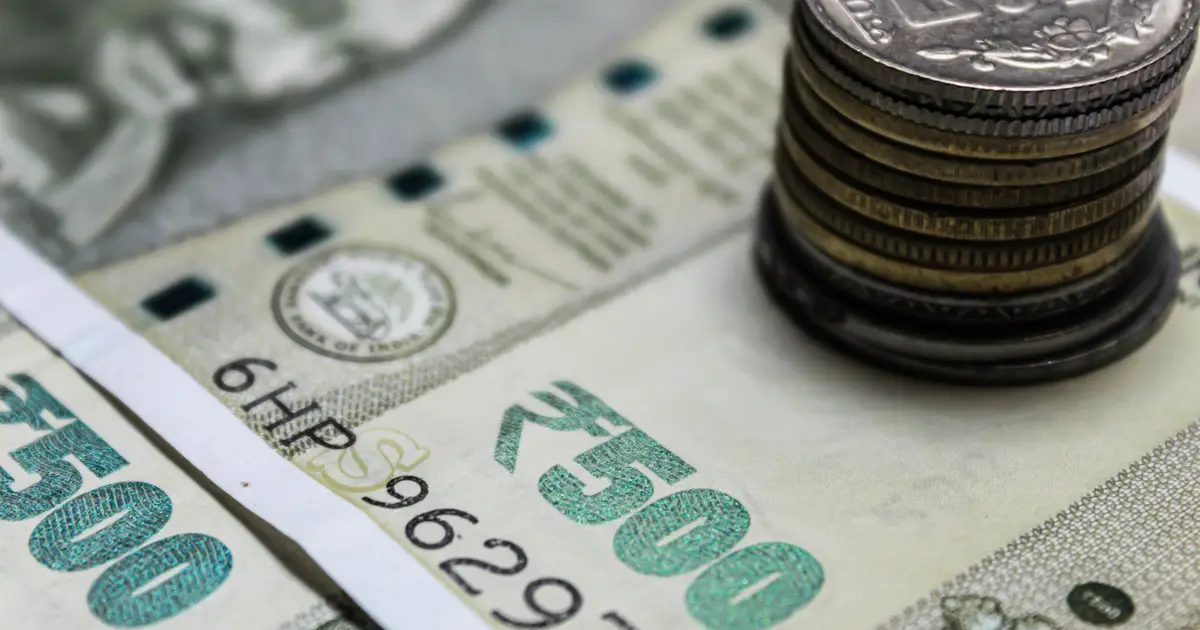
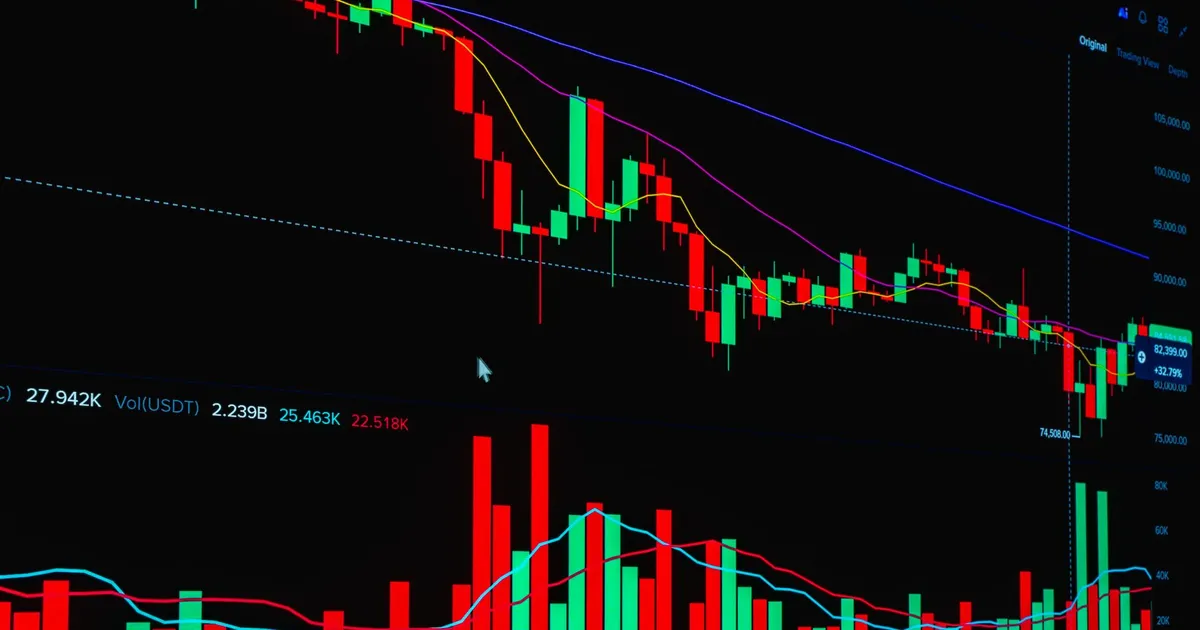
Indian Rupee (INR) experienced a 4.6% weakening against the USD since late February, emerging as one of the least performing major currencies globally in the current fiscal year. This depreciation led to a record low of USD 0.0104 per unit of local currency against the USD on a recent Thursday, compared to USD 0.0105 the preceding Wednesday. Outflows from equity markets contributed significantly to this trend, with foreign portfolio investors divesting approximately USD 2.15 billion in equities in the current fiscal year, following roughly USD 1.08 billion in the prior period. Market participants attribute part of this weakness to geopolitical events, with experts noting that the underlying issues predate recent conflicts, reflecting broader concerns about slowing capital inflows and an expanding current account deficit. The central bank's monetary policy committee is closely monitoring liquidity and currency management strategies.
The Mechanics of Currency Management
A central bank employs various mechanisms to manage currency stability. Interest rate adjustments are a primary tool; for instance, a hypothetical 25 basis point reduction in the benchmark rate directly influences the cost of borrowing and lending. Commercial banks are typically the first to experience this change, as their funding costs decline. This reduction then propagates through the economy, potentially stimulating investment and consumption by making credit cheaper. However, lower interest rates can also diminish the attractiveness of domestic assets for foreign investors, leading to capital outflows and further currency depreciation. To counter this, central banks may intervene in foreign exchange markets by selling foreign currency reserves to buy local currency, thereby increasing demand for the local unit. Such interventions, while stabilizing in the short term, can deplete reserves and are not sustainable without addressing underlying economic imbalances. Schemes designed to attract foreign capital, such as offering higher interest rates on non-resident deposits, are also utilized but come with their own costs and limitations.
Beyond Immediate Fixes: A Layered View
While monetary interventions offer immediate relief, sustained currency stability often necessitates deeper structural reforms. Experts suggest allowing market forces greater freedom to determine exchange rates and bond yields, arguing that artificial intervention distorts price discovery and deters long-term capital inflows. Implementing measures to enhance bond market depth and attract foreign investment by providing a more predictable and transparent regulatory environment could mitigate volatility. Furthermore, some analysts advocate for fiscal consolidation, such as redirecting excessive savings towards fixed asset creation through initiatives like national monetization programs, which can strengthen the currency by improving the long-term productive capacity of the economy. These approaches move beyond short-term currency management to address foundational economic strengths, fostering resilience against external shocks.
The Bigger Picture
The ongoing currency adjustments underscore a critical juncture for policymakers. Achieving sustained stability requires a balanced approach, integrating short-term monetary tools with comprehensive structural reforms that enhance market depth, attract enduring capital, and bolster long-term economic fundamentals, moving beyond a reliance on temporary fixes.
Found this useful? Share it!
Interested in Finance Education?
Explore our CFA and investing courses — built for serious learners.