Reading this on Krawl? Register for free.
Unlock listen-aloud, reading history and personalised feeds — at zero cost.
Free registration unlocks the full Finance Desk
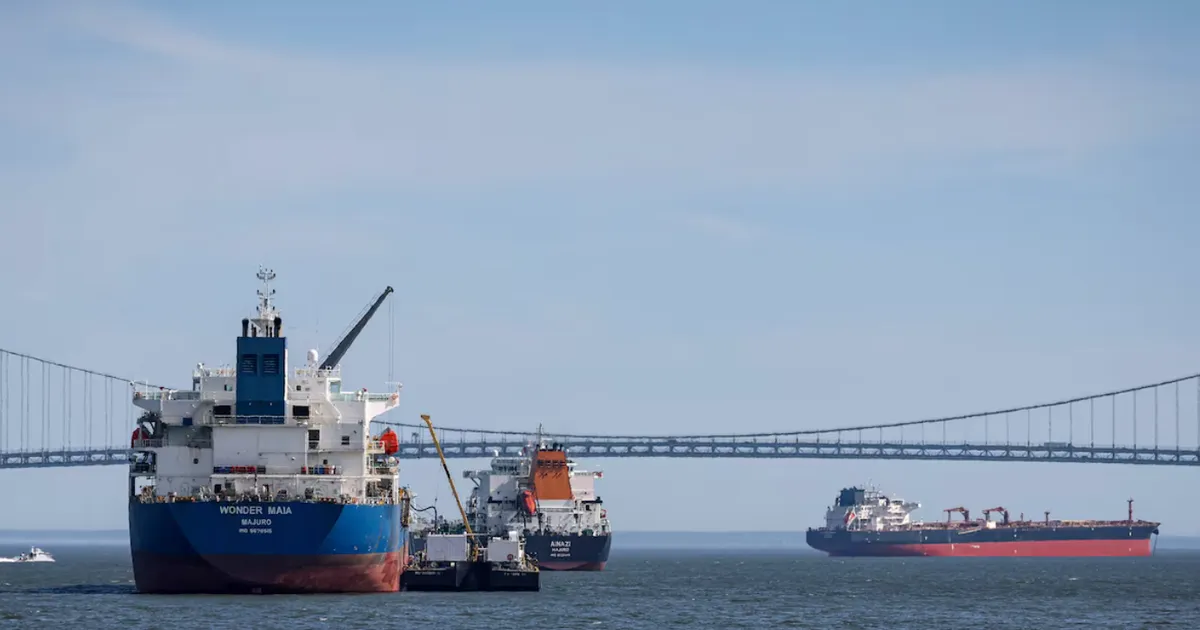
Oil Market Recovery Faces Extended Timeline Amid Inventory Reversal
The oil market faces a multi-month recovery as global inventories deplete and strategic reserves dwindle, pushing prices higher. US crude oil production may face new disruptions, further exacerbating supply chain challenges.
Depleting Reserves and Price Pressures
Global oil market recovery could span several months as sustained demand continues to draw down inventories. Over 15 weeks, various nations have tapped into oil tanks, salt caverns, and strategic reserves, depleting millions of barrels to compensate for supply disruptions, particularly those related to the Strait of Hormuz. These reserves are now nearing critical levels, prompting energy executives to project significant price increases without a new influx of supply.
US crude oil prices recently traded at USD 80.26, reflecting a sharp decline from over USD 113 in April. Gasoline prices have also fallen. Chevron CEO Mike Wirth has repeatedly stated that current supply constraints will soon impact global markets. Neil Chapman, an Exxon Mobil executive, echoed this concern, highlighting that the US has drawn down strategic oil reserves at an unprecedented rate, leaving them at levels not seen since 1989. These reserves have fallen by 66 million barrels in the past year, with a 22 million barrel draw in the previous week alone.
The pace of the drawdown accelerated in early September. Inventories fell by 243 million barrels in the week, marking the lowest level in decades. This rapid depletion could hinder the oil market's return to equilibrium for months, particularly if the US experiences new production disruptions or natural disasters affecting supply chains.
Supply Disruptions and Geopolitical Risks
The strategic petroleum reserve currently holds 36 million barrels, the lowest since 1984. This figure represents about seven days of consumption for the US, a significant drop from its historical capacity. Geopolitical factors also play a critical role, with the US-Iran agreement expiring in June, raising concerns about Iran's nuclear program. This agreement allowed Iran to move up to 20 million barrels of crude through the Strait of Hormuz weekly. Without this arrangement, the US would need to find alternative sources for these volumes. This scenario has the potential to trigger a 25% surge in crude prices.
Tank capacity typically operates at 10-15% over its stated limits for operational flexibility. However, the current high drawdowns imply that some capacity is being utilized for product blending and refining, reducing available storage. John Auers, managing director of refining and chemical analytics at RBN Energy, notes that refineries are running near maximum capacity to meet demand, further constraining the system.
The oil market remains sensitive to supply disruptions. US production disruptions, whether from natural disasters or other events, could trigger widespread challenges. For instance, any significant hurricane or unexpected maintenance could immediately affect supply, with limited spare capacity to buffer the impact.
Impact on Global Markets and Policy
Increased energy prices have implications for global markets and policymakers. Rising prices could prompt central banks to maintain hawkish stances, potentially extending the period of higher interest rates. This would affect both consumer spending and business investment, further complicating economic recovery efforts.
The global energy landscape is undergoing structural changes. John Catsimatidis, CEO of United Refining Co., highlighted that the current market dynamics are driven by demand exceeding supply, leading to elevated prices. Shipping rates are currently experiencing volatility. However, some executives, like Bob Savage of BNY Mellon, suggest that the market is beginning to stabilize, citing reduced concerns about a significant energy crisis.
The energy industry is actively monitoring price movements. Mike Wirth anticipates that prices will likely stay between USD 150 and USD 160 a barrel, particularly given global demand trends. He also cautioned that hedging production risks through futures contracts is becoming more complex amid current market conditions. The US Strategic Petroleum Reserve is at its lowest level since 1984, making the market more vulnerable to supply shocks. Analysts have raised concerns that if the Strait of Hormuz is closed, prices could surge to USD 300 a barrel, exacerbating inflationary pressures globally.
The current volatility extends beyond crude oil. Natural gas futures for the winter have risen significantly, indicating broader energy market pressures. This complexity underscores the interconnectedness of global energy markets and the potential for spillover effects on other commodities and financial instruments. Geopolitical developments, particularly with Iran, remain a key variable, as the cessation of the Strait of Hormuz deal could significantly tighten crude supply and increase global energy costs.
Found this useful? Share it!
Interested in Finance Education?
Explore our CFA and investing courses — built for serious learners.