Reading this on Krawl? Register for free.
Unlock listen-aloud, reading history and personalised feeds — at zero cost.
Free registration unlocks the full Finance Desk
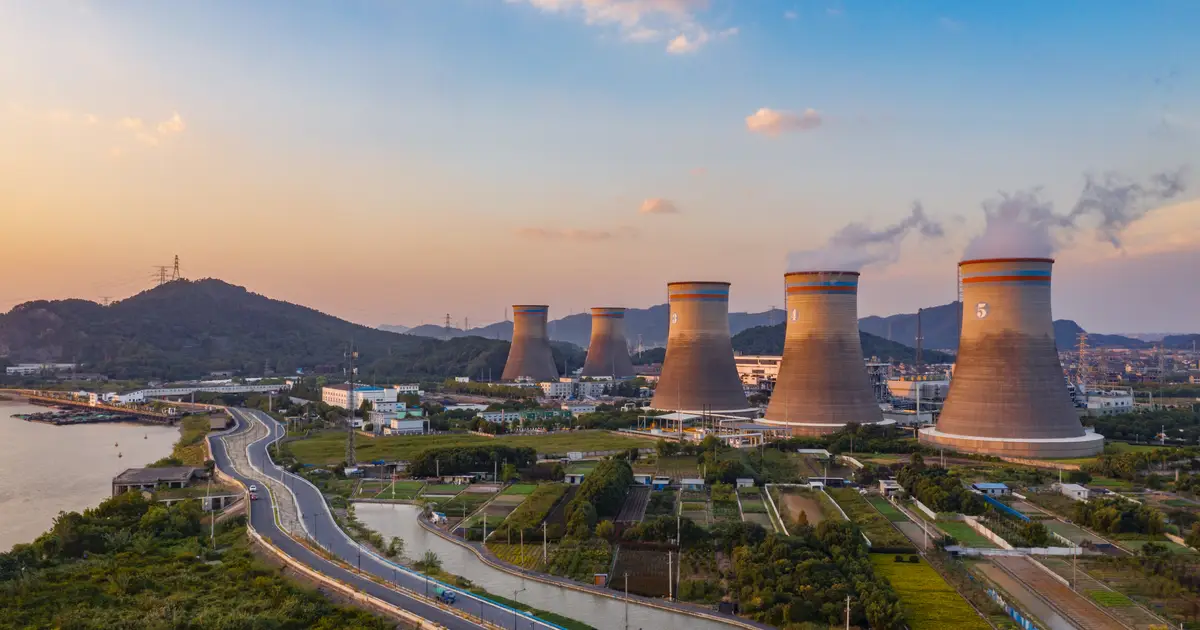
Rajasthan's $4.05 Billion Gridlock: Unlocking 60 GW Renewable Energy Potential for Global Investors
Rajasthan faces a critical challenge with 60 GW of clean energy projects awaiting transmission links, representing an estimated $4.05 billion investment gap in crucial infrastructure. This bottleneck impedes India's ambitious 500 GW non-fossil energy
The $4.05 Billion Transmission Imperative for India's Green Future
India's ambitious drive towards a sustainable energy future, particularly its target to achieve 500 gigawatts (GW) of non-fossil based power generation by 2030, faces a significant bottleneck in Rajasthan, a state rich in renewable energy potential. An estimated 60 GW of clean energy projects in the state are currently stalled, awaiting crucial transmission links. While the immediate focus is on infrastructure, this challenge translates into an estimated $4.05 billion investment opportunity in transmission systems alone, presenting both risks and strategic imperatives for global finance professionals.
The Central Transmission Utility of India Ltd (CTUIL), the nation's key planner, has explicitly stated its inability to provide the necessary transmission systems for these 60 GW of projects. This critical infrastructure deficit underscores a broader challenge for India: bridging the gap between rapidly expanding generation capacity and the slower pace of transmission network development.
The Scale of the Bottleneck: 60 GW and Beyond
Rajasthan, a sprawling desert state, boasts an impressive 179 GW of renewable energy potential. More than 85 percent of the current projects are clustered in its four key districts: Barmer, Bikaner, Jaisalmer, and Jodhpur. As a result of this concentrated potential, applications for grid connectivity totaling approximately 130 GW have already been received. However, transmission systems for only about 73 GW have either been planned or are currently being set up. This stark disparity highlights the urgency of the issue for developers and investors alike. The 60 GW backlog represents a substantial portion of India’s near-term renewable capacity additions, and its inability to connect to the grid significantly impacts the country's energy transition timeline.
For finance professionals, this scenario presents multiple facets:
- Stranded Assets and Development Risk: Project developers, having invested significant capital in generation assets, face the risk of delayed commissioning and returns due to the absence of transmission infrastructure. This increases project finance risk and could deter future investment without clear solutions.
- Capital Allocation for Transmission: The estimated $4.05 billion required for transmission for these 60 GW projects is a critical expenditure. This opens avenues for infrastructure funds, green bonds, and other forms of debt and equity financing specifically targeted at grid expansion and modernization.
Strategic Imperative for India's 2030 Target
India's target of 500 GW of non-fossil capacity by 2030 is highly dependent on harnessing the potential of renewable-rich states like Rajasthan. The problem goes beyond merely installing solar panels or wind turbines; it's about effectively integrating this clean energy into the national grid to power other states. The current transmission deficit threatens the feasibility of achieving this national goal and places immense pressure on policy makers and regulators to accelerate infrastructure development.
The regulatory filing highlighting CTUIL's challenges underscores the need for a paradigm shift in planning and execution. Traditional infrastructure development cycles may prove too slow for the rapid build-out required to keep pace with renewable energy deployment. This necessitates innovative financing mechanisms, expedited regulatory approvals, and potentially greater private sector participation in transmission projects.
Investment Implications and Financial Opportunities
The bottleneck in Rajasthan, while a challenge, also illuminates significant investment opportunities:
Infrastructure Investment
The projected need for $4.05 billion in transmission infrastructure represents a substantial market for engineering, procurement, and construction (EPC) companies, equipment suppliers, and specialized infrastructure investors. This capital expenditure is vital for building new lines, substations, and upgrading existing grid infrastructure to handle the intermittent nature and geographical distribution of renewable power.
Green Finance and ESG Mandates
The push for renewable energy aligns perfectly with global ESG (Environmental, Social, and Governance) mandates. Investors increasingly seek opportunities in green assets. Bridging the transmission gap in Rajasthan could attract significant green finance, including climate bonds, sustainability-linked loans, and impact investment funds. This aligns with the broader decarbonization agenda and offers attractive returns for socially responsible investors.
Risk Management and Project Finance
For project financiers, understanding and mitigating the transmission risk is paramount. Due diligence must extensively cover the status of grid connectivity, regulatory approvals, and off-take arrangements. Innovative financial structures that de-risk transmission infrastructure, perhaps through government guarantees or blended finance models, could become more prevalent.
Policy and Regulatory Evolution
The challenges faced by CTUIL highlight the need for a more agile and forward-looking regulatory framework. Finance professionals active in the energy sector must closely monitor policy changes aimed at incentivizing transmission development, streamlining clearances, and fostering greater coordination among various stakeholders. The success of India's renewable energy mission hinges on robust policy support that proactively addresses infrastructure bottlenecks.
The Way Forward: Integrated Planning and Capital Mobilization
Unlocking Rajasthan's 60 GW of stalled renewable capacity, and by extension, realizing India's broader green energy ambitions, requires integrated planning that aligns generation expansion with transmission infrastructure development. Mobilizing the estimated $4.05 billion in capital for transmission demands a concerted effort from government bodies, regulators, and private investors.
For global finance professionals, the Rajasthan case is a microcosm of the larger infrastructure investment needs in emerging markets transitioning to clean energy. It underscores the critical role of capital in overcoming bottlenecks, de-risking projects, and ultimately, accelerating the global energy transition. Strategic investment in transmission infrastructure is not merely a cost but a fundamental enabler for sustained economic growth and environmental stewardship.
Found this useful? Share it!
Interested in Finance Education?
Explore our CFA and investing courses — built for serious learners.
More from Krawl Insights

Unpacking Mr. Market's erratic behavior. From geopolitical tensions to surprising AI pivots.

GM's $2.8 Billion Korean Gambit: Navigating Tariffs, Labor Arbitrage, and Global Production Strategy